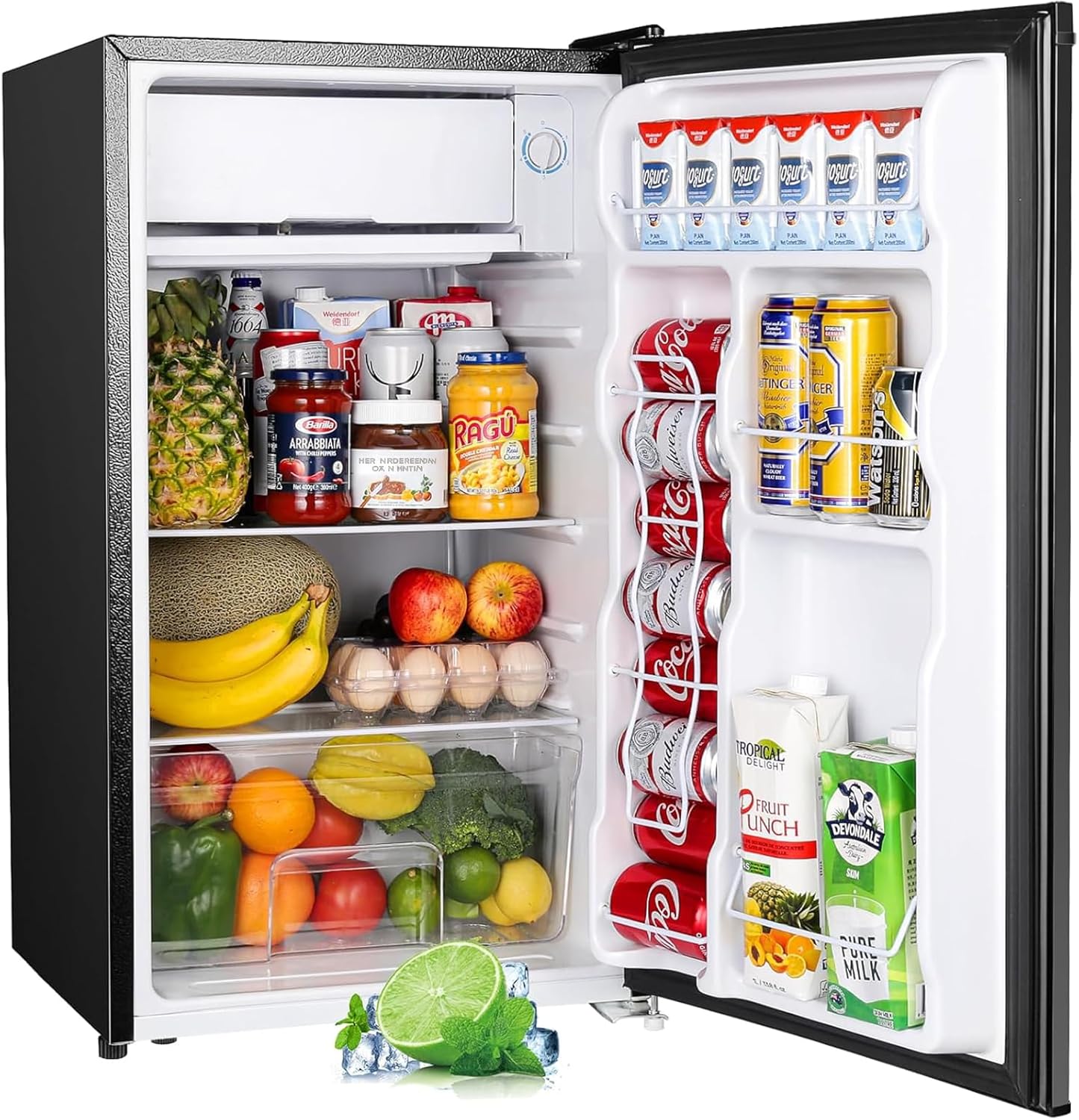
That trusty refrigerator in your kitchen? It's probably humming away right now, keeping your food fresh and your drinks cold. But sometimes, that hum gets a little louder, or you notice your milk isn't quite as chilly as it used to be. Or maybe your energy bill just crept up again. Here's the deal: a lot of these little niggles can be traced back to one common, often overlooked culprit: dirty condenser coils. And honestly? Learning
how to clean refrigerator condenser coils for efficiency is one of the easiest, most impactful DIY fixes you can do for your appliance. It's not just about getting things cold again; it's about saving you some real money, too.
Why Cleaning Refrigerator Condenser Coils Is a Really Good Idea (And Saves You Money!)
Think of your refrigerator's condenser coils like the radiators on your car. Their whole job is to release heat. Your fridge works by moving heat out of the fresh food and freezer compartments and into your kitchen. The refrigerant fluid circulating through those coils carries the heat away, and as it dissipates through the coil fins, the fluid cools down, ready to pick up more heat inside. It’s a pretty clever system, really.
But what happens when those coils get covered in a thick blanket of dust, pet hair, and general household grime? They can't release heat efficiently anymore. It's like trying to run a marathon in a winter coat your fridge has to work much, much harder to do its job.
This extra effort means your compressor runs more often, and for longer stretches. Which makes total sense, really. And that means it gulps down more electricity. We're talking about a significant chunk of your energy bill here; some estimates suggest a dirty fridge can use anywhere from 10% to 25% more energy than a clean one. That's kind of a big deal over a year!
Besides the energy drain, ignoring those dusty coils can actually shorten the life of your refrigerator. When the compressor has to overwork constantly, it wears out faster. And honestly? Nobody wants to shell out for a new fridge prematurely.
"Many people don't realize how much of their appliance's performance and lifespan is tied to simple maintenance," says Sarah Jenkins, a certified appliance technician with 15 years in the field. "Keeping those coils clean is one of the biggest favors you can do for your refrigerator, and your wallet."
Where Are Your Refrigerator Condenser Coils Hiding?
Before you grab your tools, you've got to know where to look. Most modern
refrigerators have their condenser coils located either:
1.
Underneath the fridge: Behind a kick plate or grille at the very bottom front. This is the most common spot these days.
2.
On the back of the fridge: These are usually black, tube-like coils running vertically or horizontally on the back panel. Older models tend to have them here.
If you're unsure, just peek at your owner's manual. It'll show you exactly where to find them. Don't have the manual anymore? A quick search online with your fridge's make and model number will usually pull up a digital copy.
What You'll Need to Get Those Coils Sparkling Clean
You won't need a fancy toolkit for this job. Most of what you need you probably already have lying around the house.
Here's a quick list:
A coil brush: These are long, skinny, flexible brushes specifically designed to reach into tight spaces between coil fins. You can find them at most hardware stores for under $10.
A vacuum cleaner with a hose attachment: A brush or crevice tool attachment works best.
Gloves: Protect your hands from grime.
A dust mask: Especially if you have allergies, because this can get dusty.
A flashlight: Helpful for seeing into those dark crevices.
A screwdriver (optional): You might need this to remove a kick plate or access panel.
Your Step-by-Step Guide to Cleaning Refrigerator Condenser Coils
Alright, let's get down to business. This isn't rocket science, but it does require a little care.
Safety First: Unplugging Your Fridge
This is non-negotiable. You're going to be working around electrical components, and you really, really don't want to get shocked.
- Pull the fridge out: Carefully slide your refrigerator away from the wall. You might need a helper, especially if it's full.
- Unplug it: Find the power cord and pull it directly from the wall outlet. Don't just flip a breaker; physically disconnect it.
Getting Access to the Coils
Once it's unplugged, you can safely get to those coils.
- Locate the coils: As we talked about, check under the front or behind the fridge.
- Remove the kick plate or panel (if necessary): If your coils are at the bottom, there's usually a grille or kick plate that pulls or unclips off. Sometimes it's held on by a couple of screws. Use your screwdriver if needed, and set the plate aside. If your coils are on the back, they're usually exposed.
The Big Clean: Brushing and Vacuuming
This is where the magic happens!
- Brush away the loose dust: Grab your coil brush. Carefully snake it in between the coils, brushing away all the accumulated dust, pet hair, and lint. Be gentle but thorough. You'll be amazed at how much stuff comes out. This one surprised me the first time I did it I didn't think there could be so much!
- Vacuum up the debris: With your vacuum's hose attachment, suck up all the loose crud you just brushed off the floor and from around the coils. Then, go back over the coils themselves, using the vacuum to pull any remaining dust from the fins. Get into every nook and cranny you can reach. The goal here is to get those coils as clean as possible.
- Double-check with your flashlight: Shine your flashlight into the coil area. Can you see any missed spots? Are there any clumps of dust still clinging on? Give those areas another brush and vacuum.
Finishing Up and Plugging Back In
Almost done!
- Replace the kick plate or panel: Reattach any panels or grilles you removed. Make sure they're secure.
- Slide the fridge back: Carefully push your refrigerator back into its spot, making sure not to crimp the power cord.
- Plug it in: Reconnect the power cord to the wall outlet.
That's it! You've successfully cleaned your refrigerator's condenser coils. You're going to notice a difference, I promise.
How Often Should You Be Cleaning Those Coils?
Here's the thing this isn't a "one and done" kind of job. The frequency really depends on your household.
As a general rule of thumb, I'd say aim for
at least once every 6 to 12 months. If you have pets that shed a lot especially dogs or cats or if your home tends to be particularly dusty, you'll want to lean towards the 6-month mark. Pet hair is a notorious coil-clogger, and you'll often see a visible mat of it on the coils if you're a pet owner.
If you live alone in a fairly clean environment, you might be able to stretch it to once a year. But honestly, a quick check every few months isn't a bad idea, just to see how much dust is building up.
"Preventative maintenance is the secret sauce for appliance longevity," states Mark Thompson, a seasoned home appliance service manager. "Regular coil cleaning can prevent costly breakdowns and significantly extend the life of your fridge, often by several years."
So, there you have it. A clean set of condenser coils means a happier fridge, lower energy bills, and less chance of needing to call me for a costly repair down the line. It's a win-win, really. And it's something you can absolutely do yourself, saving you a good chunk of cash. Go on, give your fridge some love!