Mr. Scrappy Garbage Disposal Drain Elbow Replacement Kit - Includes 1.5" Elbow, Flange, Gasket, and Two Screws
- Replacement Garbage Disposal 1-1/2" Diameter Drain Elbow And Gasket Kit
- Disposer drain outlet elbow kit includes the elbow, flange, rubber gasket, and two screws
- Made of durable PVC plastic
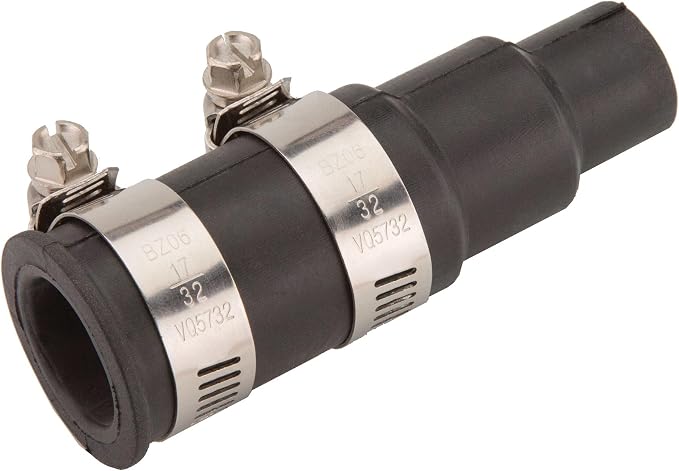
Waste King Garbage Disposal Dishwasher Connector Kit - 1023 , Black
- Connects 1-1/4", 1" and 3/4" outside diameter dishwasher drain hoses to the 1-1/2" garbage disposal.
- Only needed for installations where the dishwasher drain hose is not already 1-1/2" in diameter
- Fits all food disposal brands and most dishwasher hoses
- Includes dishwasher connector and 2 hose clamps for secure connection

PF WaterWorks PF0989Garbage Disposal Installation KitWhite
- INCLUDES EVERYTHING YOU NEED TO INSTALL A GARBAGE DISPOSAL
- Quick and Simple Installation.
- Fro Wall Water Supply and Drain
- 1-1/2" (inch) OD PP Construction
A dishwasher making a grinding noise during the wash cycle is a common annoyance. It often sounds like small rocks or metal scraping inside the machine. This noise usually indicates a problem with either the food trap, the drain system, or the pump itself. Fortunately, many of these issues are fixable with basic DIY skills, saving you the cost of a service call. Expect to pay $150 to $400 for professional repairs if the pump needs replacement, but many clogs cost nothing to clear.
Understanding Dishwasher Grinding Noises
The grinding sound typically originates from moving parts that are obstructed or failing. This could be food debris interfering with the chopper blade or impeller, or a mechanical failure in the pump motor.
1. Clogged Food Trap or Drain Filter
This is the most frequent culprit for a dishwasher making grinding noise during wash cycle. Food particles, glass shards, or other debris can accumulate in the filter at the bottom of the dishwasher tub, near the spray arm. If left unchecked, this debris can be churned by the pump, creating a grinding sound.
Diagnosing a Clogged Filter
To check the filter, you will need to access the bottom of your dishwasher. Consult your dishwasher’s manual for specific instructions on removing and cleaning your model’s filter.
- Open the dishwasher door and remove the bottom rack.
- Locate the filter assembly, usually a cylindrical component at the bottom center of the tub.
- Twist the filter counter-clockwise to unlock it and lift it out. Some models have a pre-filter screen that also needs removal.
- Rinse the filter thoroughly under running water. Use a soft brush to remove any stubborn debris.
- Inspect the area where the filter was located for any visible debris.
- Reassemble the filter by twisting it back into place clockwise.
After cleaning, run a short rinse cycle to see if the noise has disappeared. This entire process typically takes less than 15 minutes. Regular cleaning, at least once a month, can prevent this issue. For a deeper clean, consider using a product like Affresh Dishwasher Cleaner.
Cost of Repair
Cleaning the filter is a free DIY repair. If you don't have a manual, searching online for your dishwasher model number and "clean filter" will provide instructions.
2. Obstruction in the Drain Pump Impeller
The drain pump is responsible for expelling dirty water from the dishwasher. It has a small impeller that spins to push water out. If a small, hard object like a piece of glass, a cherry pit, or a bone fragment gets past the filter, it can lodge itself against the impeller, causing a grinding or rattling noise as the impeller tries to spin.
Diagnosing a Pump Obstruction
Accessing the drain pump typically requires removing the lower access panel of the dishwasher.
- Turn off the power to the dishwasher at the circuit breaker.
- Open the dishwasher door and carefully remove the bottom rack.
- Locate the lower access panel at the front of the dishwasher. This is usually held in place by screws or clips.
- Remove the access panel.
- You should see the drain pump assembly, often a plastic component connected to the drain hose.
- Some pumps have a removable sump or cover that allows access to the impeller. Check your manual. If accessible, carefully remove any visible obstructions. Wear gloves as there may be sharp objects or residual water.
- If the impeller is difficult to access or you are unsure, it may be time to call a professional.
If you can remove the obstruction, reassemble the panel and test the dishwasher on a short cycle. If the grinding stops, you've fixed the problem. This fix is free if you can clear the obstruction yourself.
Cost of Repair
Clearing a minor obstruction is free. If the obstruction has damaged the impeller, the pump may need replacement. This repair can cost between $150 and $400, including parts and labor.
3. Worn Out or Failing Drain Pump
Over time, the bearings or motor in the drain pump can wear out. This is a common issue in dishwashers that are several years old. A worn-out pump will often start making a loud grinding, humming, or buzzing noise, especially when it’s trying to drain or during the wash cycle if it's running continuously. The noise will likely get worse over time.
Diagnosing a Failing Pump
A failing pump often makes noise throughout the entire cycle, not just during draining. You might also notice that the dishwasher is not draining properly.
- Listen carefully during a wash cycle. Does the grinding sound persist or change pitch?
- Check if the dishwasher is draining water correctly after a cycle. If water remains, this points strongly to a pump issue. See Dishwasher not draining water? Here are the 7 fastest fixes.
- If you can access the pump as described in the previous section, check for excessive play in the impeller or signs of wear.
Replacing the Drain Pump
Replacing a drain pump is a moderate DIY task. You will need to purchase a replacement pump specific to your dishwasher model. Universal pumps are available, but ensuring compatibility is key.
- Gather Tools: You will need basic tools like screwdrivers, pliers, and possibly a nut driver. An electrical test kit is useful for checking power to the pump, though not strictly necessary for replacement. A cordless drill, like the DEWALT 20V Max Cordless Drill Driver Set, can speed up screw removal.
- Safety First: Turn off power at the circuit breaker. Turn off the water supply valve under the sink.
- Access the Pump: Remove the lower access panel. You may need to disconnect drain hoses and electrical connectors.
- Remove Old Pump: Unscrew the old pump assembly. Note how hoses and wires are connected.
- Install New Pump: Connect the new pump, ensuring all seals are in place. Reconnect hoses and wires.
- Reassemble: Replace the access panel. Turn the water supply back on and check for leaks. Restore power at the breaker.
- Test: Run a short cycle to check for leaks and the grinding noise.
Cost of Repair
Replacement drain pumps typically cost between $50 and $150, depending on the brand and model. DIY labor is free, but professional installation typically adds $100 to $250 in labor costs, bringing the total to $150 to $400.
4. Issues with the Wash Pump or Motor
Less common than drain pump issues, the wash pump (also called the circulation pump) can also develop problems. This pump circulates water to the spray arms. If its bearings are failing or there's an obstruction within its impeller, it can cause a grinding noise during the wash cycle. This is often a more expensive repair.
Diagnosing Wash Pump Issues
The wash pump is usually located at the bottom of the dishwasher, often integrated with the motor.
- Listen for the grinding noise specifically when the spray arms should be actively spraying water.
- Check if water is being effectively sprayed from the upper and lower spray arms. Weak or no spray can indicate a wash pump problem.
- Accessing the wash pump requires removing the dishwasher from its bay, which is a more involved process than accessing the drain pump.
Cost of Repair
Replacing the wash pump or motor is typically the most expensive dishwasher repair. Parts alone can range from $100 to $300, and professional labor can add another $200 to $400. Total costs can reach $300 to $700.
5. Food Waste Disposer Connection (If Applicable)
Some dishwashers connect directly to a garbage disposal unit under the sink instead of having their own separate drain line. If the garbage disposal itself is making a grinding noise, or if the dishwasher's drain hose connection to the disposal is clogged, it can sound like the dishwasher is the source of the noise.
Diagnosing a Garbage Disposal Issue
This is relatively easy to diagnose.
- Run water from the sink faucet. Does the sink drain properly?
- Run the garbage disposal (if you have one). Does it make a grinding noise?
- Disconnect the dishwasher's drain hose from the garbage disposal inlet. Check for blockages in the hose and the disposal inlet nipple. You may need a Replacement Garbage Disposal 1-1/2" Diameter Drain Elbow And Gasket Kit or a Waste King Garbage Disposal Dishwasher Connector Kit if your hose isn't compatible or needs replacement.
Cost of Repair
Clearing a blockage in the hose or disposal inlet is free. If the garbage disposal itself needs repair or replacement, costs can range from $150 to $400. The Mr. Scrappy Garbage Disposal Drain Elbow Replacement Kit is an example of a part that might be needed for a garbage disposal repair or installation, costing around $20-$40.
When to Call a Professional
While many dishwasher grinding noises can be resolved with simple cleaning or minor repairs, some situations warrant professional help. If you are uncomfortable with any of the diagnostic steps, especially those involving electrical components or removing the dishwasher from its installation, it is best to call a qualified appliance repair technician. Signs that you should call a pro include:
- Persistent grinding noise after cleaning the filter.
- The dishwasher is not draining, and you cannot clear the obstruction.
- The grinding noise is accompanied by error codes on the display.
- You suspect a failure of the main wash pump or motor.
- You are not comfortable working with plumbing or electrical connections.
A service call for a dishwasher diagnosis typically costs $75 to $150. This fee is often applied to the total cost of the repair if you proceed with the work.
Preventing Future Grinding Noises
Regular maintenance is key to preventing future problems. Follow these tips:
- Scrape Plates: Always scrape large food particles off plates before loading them. While modern dishwashers can handle some residue, large chunks can cause clogs.
- Clean the Filter: Make it a habit to clean your dishwasher filter monthly. Forgetting can lead to the issues discussed. This is part of a good home appliance maintenance checklist.
- Run Hot Water: Before starting a cycle, run hot water at the sink. This helps clear the drain line and ensures the dishwasher receives hot water, which improves cleaning performance.
- Use a Dishwasher Cleaner: Periodically run a dishwasher cleaner, such as Affresh Dishwasher Cleaner, to remove grease and grime buildup.
- Check the Disposal: If your dishwasher is connected to a garbage disposal, run it regularly with cold water to keep it clear and functioning properly.
By performing these simple maintenance tasks, you can significantly reduce the chances of your dishwasher making a grinding noise and extend its lifespan.
Mr. Scrappy Garbage Disposal Drain Elbow Replacement Kit - Includes 1.5" Elbow, Flange, Gasket, and Two Screws
- Replacement Garbage Disposal 1-1/2" Diameter Drain Elbow And Gasket Kit
- Disposer drain outlet elbow kit includes the elbow, flange, rubber gasket, and two screws
- Made of durable PVC plastic
Waste King Garbage Disposal Dishwasher Connector Kit - 1023 , Black
- Connects 1-1/4", 1" and 3/4" outside diameter dishwasher drain hoses to the 1-1/2" garbage disposal.
- Only needed for installations where the dishwasher drain hose is not already 1-1/2" in diameter
- Fits all food disposal brands and most dishwasher hoses
- Includes dishwasher connector and 2 hose clamps for secure connection
PF WaterWorks PF0989Garbage Disposal Installation KitWhite
- INCLUDES EVERYTHING YOU NEED TO INSTALL A GARBAGE DISPOSAL
- Quick and Simple Installation.
- Fro Wall Water Supply and Drain
- 1-1/2" (inch) OD PP Construction