You should clean your dishwasher filter about once a month, though usage can change that frequency. Learn why this simple task is so important and how to do it quickly.
We’ve all been there: you open your dishwasher, expecting sparkling dishes, and instead, you find tiny food bits clinging to your plates, or worse, that weird funky smell hitting you in the face. It’s pretty frustrating, right? And usually, your first thought isn’t, “Gosh, I bet my filter needs cleaning.” But often, that’s exactly what it is. So, let’s talk about it: how often should I clean my dishwasher filter? It’s a question I get a lot, and it’s a simple piece of maintenance that can save you a ton of headaches and money down the line.
The Short Answer: So, How Often Really?
Here's the thing — there isn't a single, hard and fast rule that works for everyone. But as a general guideline, you're usually looking at cleaning your dishwasher filter about once a month. That’s a good benchmark for most households. However, depending on how you use your dishwasher, you might need to do it more often. Or, if you’re a super light user, maybe a bit less frequently. But definitely don’t let it go for more than three months. That’s just asking for trouble.
Factors Affecting Your Dishwasher Filter Cleaning Schedule
Think about your dishwashing habits. They really do play a part in how often you’ll need to clean that filter.
How often you run your dishwasher: If you're a family of five running it every single day, you’ll probably want to check that filter every two weeks. If it’s just you and you run it maybe three times a week, monthly might be just fine.
How much you pre rinse: Some folks rinse their dishes until they’re practically clean before loading them. Others just scrape off the big stuff. If you’re in the latter camp, your filter is catching more debris, so it’ll need attention more often. And honestly? Even if you pre rinse, tiny particles still make it through.
What you're washing: Washing a lot of starchy foods like rice or pasta, or anything with small seeds (think raspberry jam or oatmeal), means more gunk in the filter. Those tiny bits love to settle in there.
Signs Your Dishwasher Filter Is Begging for a Clean
Your dishwasher is pretty good at telling you when it’s not happy. You just gotta know what to look for.
Dishes still dirty after a cycle: This is probably the number one giveaway. If you’re pulling out plates with food specks or a gritty film, that filter is clogged, and your spray arms aren't getting enough clean water pressure to do their job properly.
A strange smell coming from the dishwasher: Oh, that smell. It’s usually a mix of old food and mildew, and it’s definitely not pleasant. That’s trapped food rotting in your filter.
Water pooling in the bottom of the dishwasher: If water isn't draining correctly, a clogged filter is a prime suspect. It’s stopping the water from flowing out as it should.
A noisy wash cycle: Sometimes, a struggling pump trying to push water through a gunkedup filter can make a whirring or grinding noise that's louder than usual.
Why Cleaning Your Dishwasher Filter Isn't Just "A Good Idea"
Look, cleaning the filter isn't just about sparkling dishes; it's about the health of your appliance. A clogged filter restricts water flow, forcing your dishwasher's pump and motor to work harder. And what does that mean? It means they wear out faster. You’re talking about potentially shortening the lifespan of a pretty expensive appliance, just for neglecting a five minute task.
"Most people don't even know their dishwasher has a filter until their dishes start coming out gritty," Mark Jenkins, a veteran appliance technician at FixItAll Services, puts it simply. "It's a simple fix that probably resolves about 30% of the 'dishwasher not cleaning well' calls I get." Which makes total sense, really.
Plus, a dirty filter becomes a breeding ground for bacteria and mold. Nobody wants that circulating with their dinner plates. And that's kind of a big deal.
Your Step by Step Guide to a Squeaky Clean Dishwasher Filter
Good news: cleaning this filter is usually incredibly easy. Most manufacturers design them for quick, user friendly access. You won’t need a toolbox or a degree in mechanical engineering.
What You'll Need
Rubber gloves (optional, but recommended if you're squeamish about old food bits)
A soft brush (an old toothbrush works great)
Dish soap
Warm water
The Quick Clean (Every 1-2 Weeks, or as Needed)
This is for those quick checks and light removal of recent gunk.
1. Locate Your Filter: It's usually at the bottom of your dishwasher, often under the lower spray arm. It might be a cylindrical mesh screen, or a flat one, or both. Consult your owner's manual if you can't find it.
2. Twist and Remove: Most filters twist counter clockwise to unlock. Give it a gentle tug and it should come right out. You might find a coarser, flat filter underneath a cylindrical one. Remove both.
3. Rinse Under the Faucet: Take the filter components to your sink. Hold them under warm running water to rinse away loose food particles.
4. Scrub Gently: If there are stubborn bits, use your soft brush and a little dish soap to gently scrub the mesh. Make sure you get into all the nooks and crannies without being too aggressive. You don't want to damage the mesh.
5. Inspect and Reinstall: Once it looks clean and all the gunk is gone, place it back into its housing. Twist clockwise until it locks into place. Make sure it’s secure; you don’t want it rattling around during a wash cycle.
The Deep Clean (Monthly/Quarterly)
Sometimes, you need a little more oomph to get rid of that slimy buildup or lingering odors.
1. Follow Steps 1-3 above.
2. Soak It: For tougher grime, fill a small bowl with warm, soapy water. Let the filter components soak for about 15-20 minutes. This really helps loosen up dried on food and grease.
3. Scrub and Rinse: After soaking, give them another scrub with your brush and rinse thoroughly under running water. Ensure all soap residue is gone.
4. Consider a Dishwasher Cleaning Tablet: While the filter is out, it's a great time to run a self cleaning cycle with a dishwasher cleaner tablet or even a cup of white vinegar placed in the top rack. This helps clean the rest of the internal components.
5. Reinstall: Pop the filter back in, securing it tightly.
Brenda Lee, a home economics teacher who runs a popular cleaning blog, suggests, "Think of it like changing the oil in your car. It's preventative maintenance that saves you a lot of headache and money down the road. Plus, who doesn't love truly clean dishes?"
What If Cleaning the Filter Doesn't Fix Your Dishwasher's Woes?
I know, I know. Sometimes you do all the right things, and your appliance still acts up. If you've cleaned your filter thoroughly and you're still seeing dirty dishes, foul smells, or drainage issues, don't panic. It means the filter wasn't the sole culprit, but you've eliminated one major possibility.
Here are a few other things to look at:
Check your spray arms: Food particles can get stuck in the tiny holes of the spray arms, blocking water jets. You can usually remove them (they might just pull off or unscrew) and clear the holes with a toothpick.
Use the right detergent: Seriously, some detergents are just better than others. And make sure you're using the correct amount. Too little, and dishes won't get clean. Too much, and you can get suds and residue.
Hard water issues: If you live in an area with hard water, mineral deposits can build up inside your dishwasher, causing cloudy dishes or poor cleaning. Running a cycle with a dishwasher cleaner or a cup of white vinegar can help.
Improper loading: Overloading your dishwasher or blocking the spray arms can prevent water from reaching all your dishes.
Something else entirely: If none of these quick fixes work, you might have a bigger issue with your pump, drain hose, or even the heating element. At that point, it might be time to call in a pro. But hey, you’ve done your due diligence, and that’s a big win in my book.
Cleaning your dishwasher filter really is one of the easiest, most impactful ways to keep your machine running smoothly and your dishes sparkling. Just a few minutes, every few weeks, and you’ll avoid so much frustration. Trust me on this one.
Disclaimer: This article is for informational and educational purposes only. It does not constitute professional advice. Always consult a qualified professional before making decisions based on this content.
✦
Mark M.
The Appliance Aid editorial team publishes expert-reviewed content on Home appliance repair and troubleshooting guides.
Ugh, there's nothing quite like opening your dishwasher after a cycle, ready to unload sparkling dishes, only to find a pool of murky, soapy water still sloshing around. It's a real buzzkill, right? A...
Learning how to reset a Whirlpool dishwasher control board is a simple and effective first step for many common issues. Discover the easy steps to perform both a soft and hard reset on your appliance.
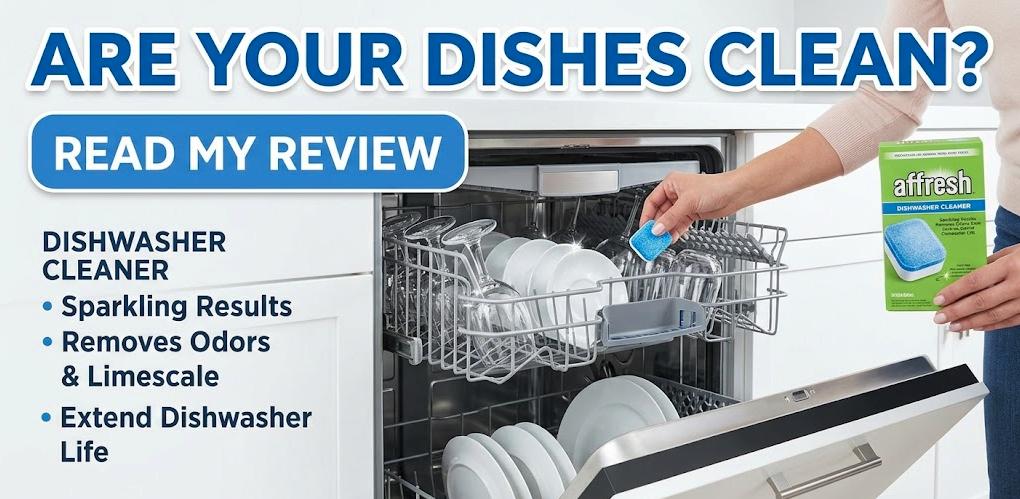
Is your dishwasher truly clean? I put Affresh Dishwasher Cleaner Tablets to the test against limescale, odors, and mineral buildup. See my hands-on results!