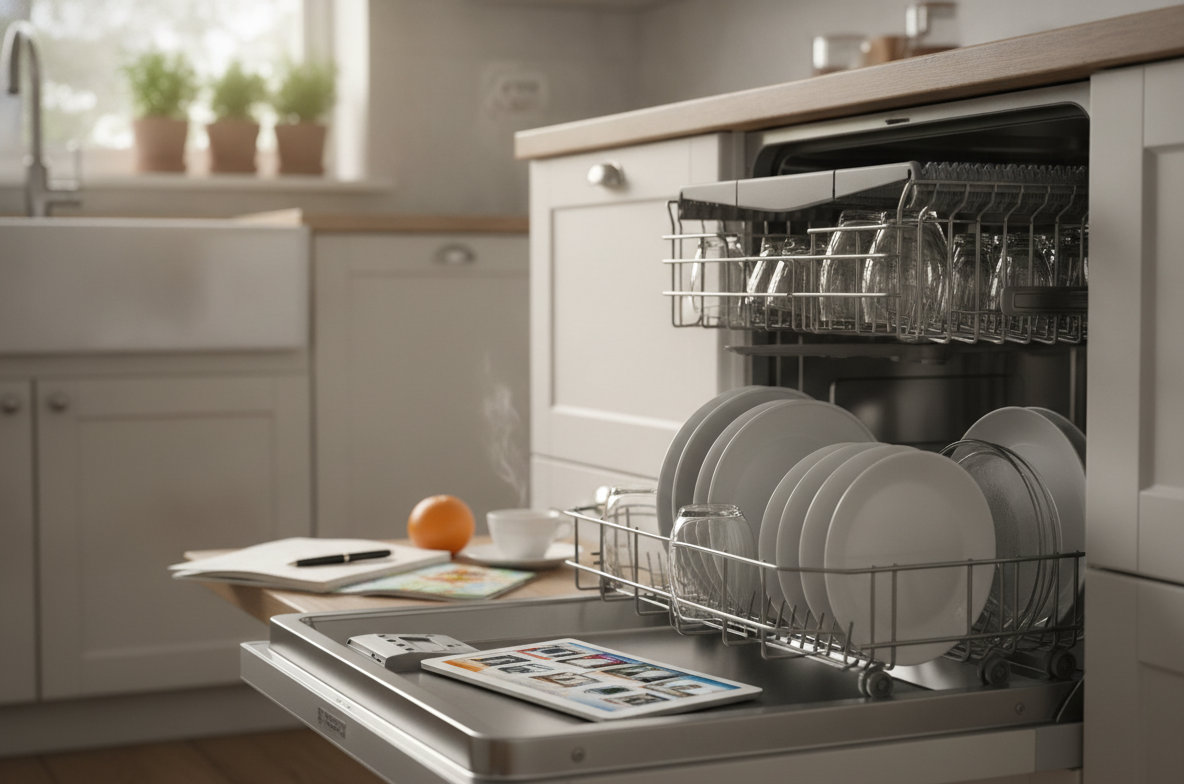
Standing water in the bottom of a dishwasher after a full cycle, or dishes that remain caked with food, often signals it is time for a new appliance. Replacing a dishwasher is an investment in your kitchen's efficiency and cleanliness. Knowing what to look for when buying a new dishwasher helps homeowners make an informed choice that meets their needs and budget.
This guide breaks down the critical factors to consider. We cover everything from washing performance to long term ownership costs, helping you select a reliable unit.
Key Considerations for Your New Dishwasher
Choosing a dishwasher involves more than just picking one that fits your kitchen's aesthetic.
Washing Performance and Cleaning Cycles
The primary function of any dishwasher is to clean dishes thoroughly. Look for models with multiple spray arms, especially those that reach all racks. Advanced filtration systems help remove food particles from the wash water, preventing redeposit on clean dishes. Consider the variety of wash cycles offered. Common cycles include normal, heavy, light, and rinse-only.
- Sensor Wash: Automatically detects soil level and adjusts water temperature and wash time.
- Sanitize Cycle: Heats water to a higher temperature to kill bacteria, good for baby bottles or allergy sufferers.
- Quick Wash: A faster cycle for lightly soiled items, saving time.
Based on manufacturer data, some dishwashers offer specialized cycles for pots and pans or delicate glassware. The number of wash levels, typically two or three, also impacts how effectively water reaches every item.
Noise Level
A noisy dishwasher can disrupt a quiet home, especially in open-concept living spaces. Dishwashers are rated in decibels (dBA). A lower dBA number indicates quieter operation. Most quiet models operate between 38 and 45 dBA. Models above 50 dBA are noticeably louder.
When comparing options, consider how close your kitchen is to living areas. A dishwasher running at 40 dBA is about as loud as a quiet library. A 55 dBA unit is closer to a normal conversation level.
Tub Material
Dishwasher tubs are typically made from stainless steel or plastic.
- Stainless Steel Tubs: These are more durable, resistant to stains, and better at retaining heat. This heat retention aids in drying dishes more effectively and quietly. They also tend to cost more.
- Plastic Tubs: These are more affordable. They can stain over time and are generally louder during operation. Plastic tubs may not dry dishes as effectively because they do not retain heat as well.
Many homeowners prefer stainless steel tubs for their longevity and superior performance. However, plastic tubs offer a budget-friendly alternative.
Drying Options
How a dishwasher dries dishes affects both convenience and energy use. Traditional heated drying uses an electric heating element. This method works well but uses more energy and can sometimes melt delicate plastic items.
Condensation drying, common in stainless steel tub models, uses the residual heat from the wash cycle. Dishes dry as water evaporates and condenses on the cooler stainless steel walls. This method is more energy-efficient but may leave some moisture on plastic items.
Some models add fan-assist drying, which helps circulate air to speed up the condensation process. Another option is AutoRelease Door drying, where the door pops open slightly at the end of the cycle to allow moisture to escape.
Rack Design and Flexibility
The interior layout of a dishwasher affects how many dishes you can wash and how easily you load them. Look for adjustable racks, which allow you to raise or lower the upper rack to accommodate taller items. Fold-down tines provide flexibility for larger pots, pans, or odd-shaped items.
A third rack, located at the very top, is a popular feature. It offers space for silverware, spatulas, and small bowls, freeing up space on the main racks. Based on user reviews, a well designed third rack can significantly increase a dishwasher's capacity.
Energy Efficiency
An Energy Star certified dishwasher uses less water and energy than standard models. This saves money on utility bills over the appliance's lifespan. While Energy Star models might have a slightly higher upfront cost, the long term savings often outweigh the initial difference.
The EnergyGuide label provides an estimate of annual energy consumption and operating costs. Pay attention to the water usage per cycle, measured in gallons, especially if you live in an area with water restrictions or high water costs.
Smart Features
Modern dishwashers offer various smart features, often controlled via Wi-Fi and smartphone apps. These can include remote start, cycle status notifications, and even diagnostic tools.
- Remote Start: Begin a wash cycle from your phone.
- Status Alerts: Receive notifications when a cycle is complete or if there is an error.
- Dishwasher Cleaner Reminders: Some apps can remind you to run a cleaning cycle or reorder detergent. This helps with routine maintenance, as regular filter cleaning is important for performance.
While smart features add convenience, they also add to the appliance's cost. Evaluate if these features align with your lifestyle and budget.
Reliability and Brand Reputation
Researching brand reliability and reading user reviews helps you understand potential long term issues. Some brands consistently receive high ratings for customer satisfaction and durability. Look for brands known for good customer service and readily available replacement parts.
While no appliance is immune to problems, a strong brand reputation often indicates better design and manufacturing quality. Check what type of warranty the manufacturer offers. A longer warranty period can provide greater security against unexpected repairs.
Installation and Sizing Your New Dishwasher
Proper sizing and installation are critical for a new dishwasher. A standard dishwasher opening is 24 inches wide, 24 inches deep, and 34 to 35 inches high. Always measure your existing space carefully before purchasing.
Measure Carefully
Measure the height from the floor to the underside of your countertop, the width of the opening, and the depth from the front edge to the back wall. Account for any hoses or electrical outlets behind the appliance.
If you are replacing an older model, verify the dimensions. Older homes sometimes have non-standard cabinet sizes. Compact or 18-inch dishwashers are available for smaller kitchens.
Installation Costs
Dishwasher installation involves connecting water lines, a drain hose, and electrical wiring. If you are comfortable with basic plumbing and electrical work, you might choose to install it yourself. However, many homeowners opt for professional installation.
Professional installation costs typically range from $100 to $300, depending on your location and the complexity of the job. This cost might be higher if modifications to plumbing or electrical systems are needed.
long term Cost of Ownership and Maintenance
The purchase price is only one part of the overall cost of a dishwasher. Consider the expenses over its lifespan, which can be 10 to 12 years.
Energy and Water Bills
An energy-efficient model can save you hundreds of dollars in utility costs over its lifetime. Water usage varies significantly between models. Some older dishwashers use over 10 gallons per cycle, while new Energy Star models might use less than 4 gallons.
Detergent and Rinse Aid
The type of detergent and rinse aid you use impacts cleaning performance and cost. high quality detergents can be more expensive, but they often yield better results and prevent issues like film on dishes.
Preventative Maintenance
Regular maintenance extends the life of your dishwasher and keeps it running efficiently. This includes cleaning the filter, spraying arms, and checking the door gasket. For a more detailed approach to keeping all your appliances in top shape, consider following a home appliance maintenance checklist.
If you experience problems, such as your dishwasher not draining water, addressing them promptly can prevent more extensive damage and costly repairs.
Potential Repair Costs
While new dishwashers come with warranties, parts and labor for repairs after the warranty expires can add up. Common issues include pump failures, heating element problems, and control board malfunctions. Replacing a dishwasher door latch, for example, is often a DIY fix costing under $30 for parts.
Red Flags to Watch For
When shopping, be aware of certain warning signs that might indicate a poor purchase.
Unusual Discounts
An appliance priced significantly lower than comparable models from reputable brands might be a clearance item with limited support or an older, less efficient model. Always research why a price is so low.
Poor Warranty
A very short warranty (less than one year for parts and labor) suggests the manufacturer has less confidence in their product's longevity. Standard warranties are typically one year.
Limited Service Network
Some lesser-known brands may have a limited network of authorized repair technicians. This can make it difficult and expensive to get service if your dishwasher breaks down.
Making Your Final Decision
Comparing options involves balancing features, budget, and long term costs. Start by identifying your non-negotiable features, such as noise level or specific wash cycles.
Read customer reviews and ratings for models you are considering. Pay attention to comments about cleaning performance, drying effectiveness, and reliability. Prioritize the features that matter most to your household. If you frequently host large dinners, capacity and powerful cleaning might be top priorities. If your kitchen is near a bedroom, quiet operation is essential.
By carefully evaluating these aspects, you can choose a new dishwasher that offers effective cleaning, quiet operation, and long term value for your home.
Frequently Asked Questions About Buying a Dishwasher
Here are answers to common questions about purchasing a new dishwasher.
What is the average lifespan of a new dishwasher?
Most new dishwashers have an average lifespan of 10 to 12 years. Regular maintenance and proper use can help extend this period.
Is a stainless steel tub always better than a plastic tub?
Stainless steel tubs offer better durability, heat retention for drying, and quieter operation compared to plastic tubs. They usually come at a higher price point.
How important is the decibel rating for a dishwasher?
The decibel rating is very important if your kitchen is near living areas or bedrooms. A lower dBA, ideally between 38-45 dBA, indicates a much quieter appliance, contributing to a more peaceful home environment.