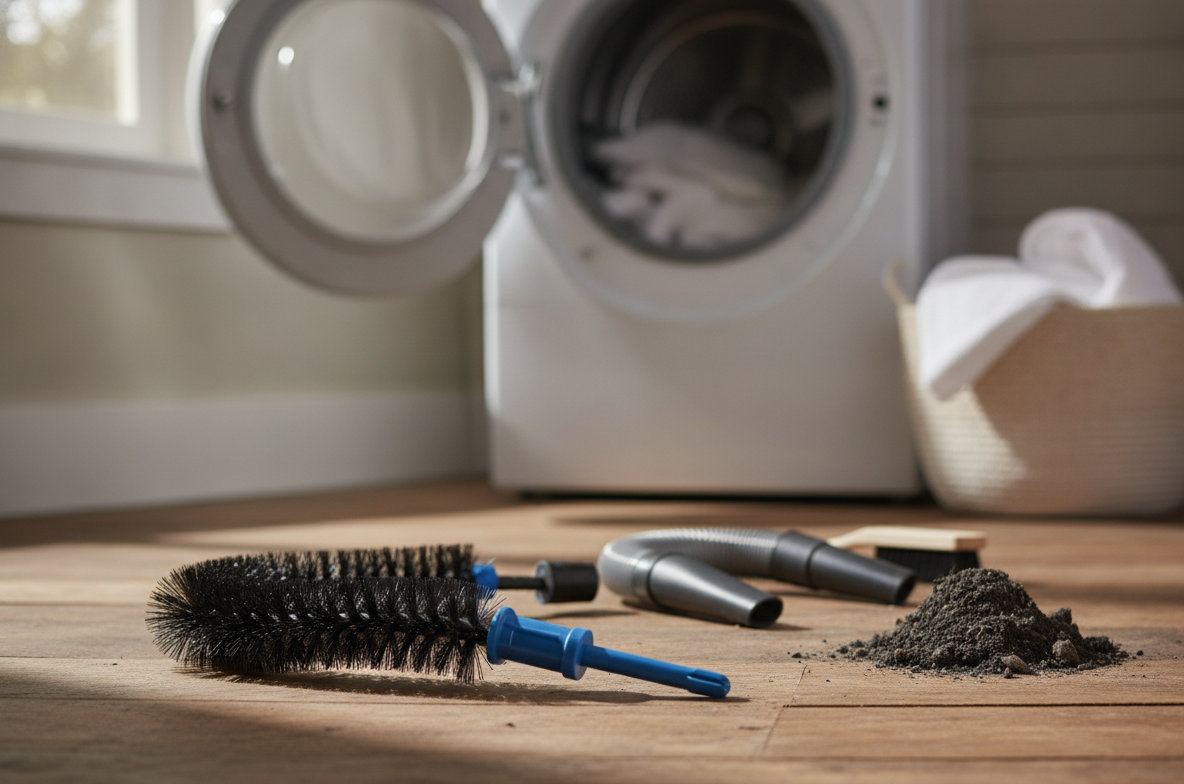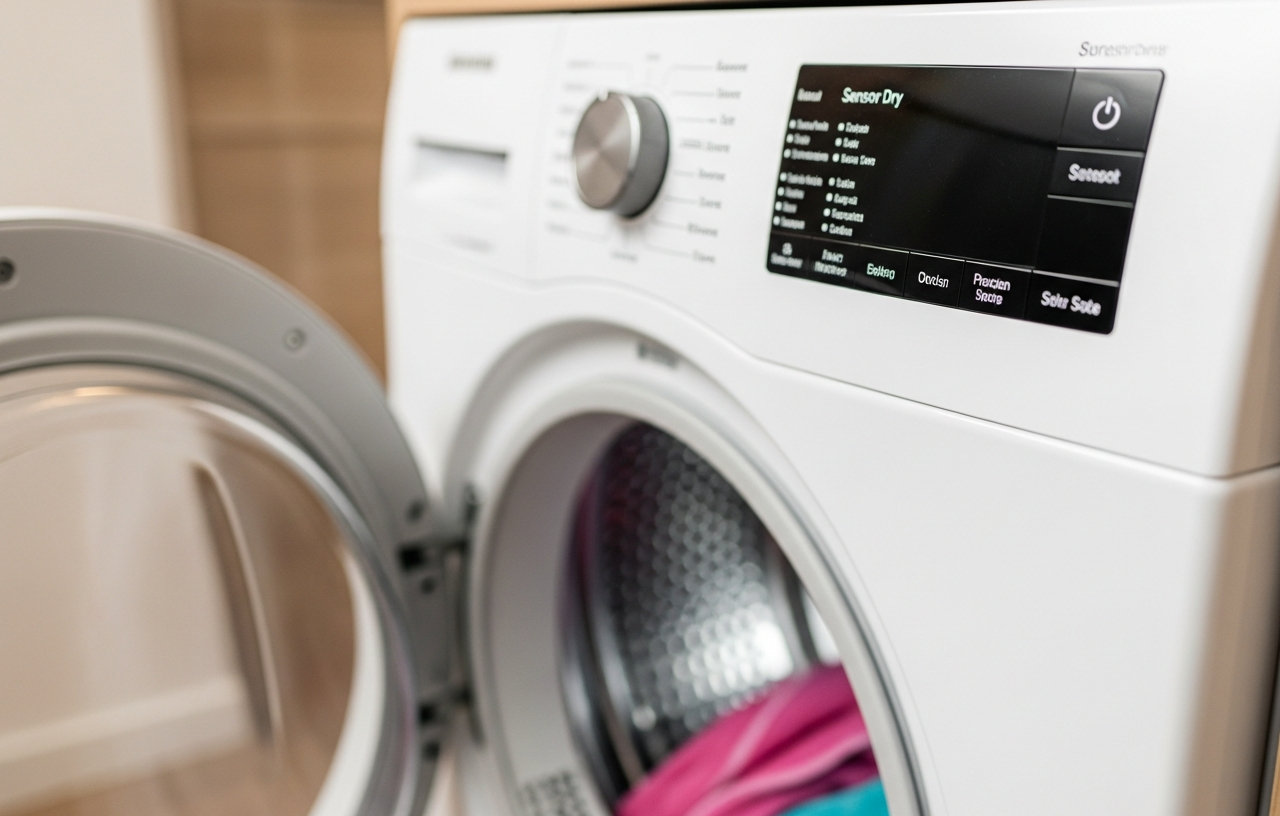
The 'Sensor Dry' setting on a dryer automatically detects moisture levels in your clothes, stopping the cycle once they are dry. This advanced feature prevents over-drying, which can damage fabrics and waste electricity. Dryers equipped with sensor dry technology offer significant advantages over traditional timed drying, making them a standard in most modern laundry rooms.
How Sensor Dry Technology Works
Sensor dry technology relies on specialized sensors within the dryer drum to monitor the dampness of your laundry. There are primarily two types of sensor systems used in residential dryers:
Moisture Sensing Bars
Many dryers use two or more metal sensing bars, typically located on the front bulkhead inside the drum. As clothes tumble, they make contact with these bars. A low-voltage electrical current passes between the bars. When wet clothes touch both bars, the moisture in the fabric conducts this current, completing the circuit. The dryer's control board interprets this completed circuit as an indication that the clothes are still wet.
- Continuous Monitoring: The dryer repeatedly checks for conductivity as the load tumbles.
- Cycle Adjustment: As clothes dry, less moisture is present, and the electrical conductivity decreases. Once the control board detects that the clothes are no longer completing the circuit (or only doing so intermittently), it determines the load is dry and ends the cycle.
Humidity and Temperature Sensors
Some dryers, particularly higher-end models, use thermistors or humidity sensors to measure the air temperature and humidity inside the drum. These sensors do not directly touch the clothes. Instead, they monitor the moisture content in the exhaust air. As clothes dry, the humidity level in the exhaust air drops, and the air temperature typically rises (because less energy is being used to evaporate water). The control board uses these changes to determine when the load is dry.
- Indirect Measurement: This method provides an overall assessment of the drying environment.
- Precision: These systems can offer more nuanced control, adapting to different fabric types and load sizes with greater accuracy.
Benefits of Using Sensor Dry
Using the sensor dry function offers several practical benefits for homeowners.
Energy Efficiency
Dryers are significant energy consumers. A timed dry cycle, if set too long, will continue to run even after clothes are dry, wasting electricity or natural gas. Sensor dry stops the cycle precisely when the clothes reach the selected dryness level. This can reduce energy consumption by up to 15-20% compared to consistently over-drying loads on a timed setting. It can cause shrinkage, fade colors, weaken fibers, and create excessive static cling. Delicate fabrics are particularly susceptible. Sensor dry prevents these issues by ensuring clothes are exposed to heat for the minimum time necessary. This preserves fabric integrity, elasticity, and color, extending the lifespan of your garments.
Reduces Wrinkling
When clothes are over-dried, wrinkles often set in and become more difficult to remove. By stopping the cycle at the optimal dryness, sensor dry helps reduce wrinkling, making ironing easier or even unnecessary for some items. Many sensor dry cycles also include a cool-down or wrinkle-prevent option that tumbles clothes without heat after the main cycle to further prevent creases.
Saves Time
With sensor dry, you do not need to guess how long a load will take to dry. The dryer adjusts the time automatically. This convenience means you can start a load and trust that it will finish efficiently, freeing you from repeatedly checking the clothes or restarting a cycle.
Common Sensor Dry Problems and Troubleshooting
Even with advanced technology, sensor dry systems can encounter issues. Understanding these common problems can help you troubleshoot before calling a professional. A service call for appliance diagnosis typically costs $80-$150, not including parts or labor for the repair itself.
Clothes Not Drying Completely
If your clothes remain damp after a sensor dry cycle, consider these possibilities:
- Dirty Moisture Sensors: Fabric softener residue or mineral deposits from hard water can build up on the metal sensing bars. This residue acts as an insulator, preventing the sensors from accurately detecting moisture. The dryer may then stop prematurely.
- Overloaded Dryer: Overloading the dryer prevents clothes from tumbling freely and making consistent contact with the moisture sensors. Airflow is also restricted, leading to uneven drying. Refer to your dryer's manual for maximum load capacity.
- Blocked Dryer Vent: A clogged exhaust vent restricts airflow, trapping moist air inside the drum. This significantly increases drying time and can confuse sensors. Regular vent cleaning is critical for dryer performance and safety. A dryer that takes too long to dry clothes often has a vent issue. You can find more fixes for this problem in our article: Electric Dryer Takes Too Long to Dry Clothes? Top Fixes.
- Mixing Fabric Types: Drying heavy towels with light shirts can confuse the sensors. The lighter items dry quickly, causing the sensors to register the load as dry while the heavier items are still damp.
Dryer Stops Too Soon
This issue often shares the same root causes as clothes not drying completely.
- Dirty Sensors: As noted, residue on the sensors can trick the dryer into thinking clothes are dry faster than they are.
- Small Loads: Very small loads might not make consistent contact with the sensors, especially if they stick to the drum walls. In these cases, the dryer might stop prematurely.
- Excessive Static: High static can make lightweight items cling to the drum, preventing them from touching the sensors.
Dryer Runs Too Long
If your sensor dry cycle seems to run indefinitely or for an excessively long time, consider these factors:
- Faulty Moisture Sensor: If the sensor itself is damaged or malfunctioning, it might continuously detect moisture, even when the clothes are dry. This keeps the cycle running. Testing sensors often requires a multimeter.
- Restricted Airflow: Again, a blocked vent is a common culprit. If humid air cannot escape, the dryer's sensors (especially humidity-based ones) will continue to detect moisture and prolong the cycle.
- Heating Element Issue: If the dryer is not producing enough heat, clothes will take much longer to dry. The sensors will correctly detect dampness, but the extended time indicates a heating problem, not a sensor problem directly.
Cleaning Dryer Sensors
Cleaning the moisture sensors is a simple DIY task that can resolve many sensor dry performance issues. This should be done every few months or if you notice drying problems.
- Unplug the Dryer: Always disconnect power to the dryer before performing any maintenance.
- Locate the Sensors: Open the dryer door. The moisture sensors are typically two or three metal strips, often shiny, located on the front bulkhead inside the drum, just below the lint trap opening.
- Clean with Rubbing Alcohol: Dampen a soft cloth or cotton swab with rubbing alcohol. Gently wipe down the metal strips to remove any residue from fabric softener, dryer sheets, or mineral deposits. Do not use abrasive cleaners or steel wool, as these can scratch the sensors and damage them.
- Allow to Dry: Let the alcohol evaporate completely before plugging the dryer back in.
Proper Loading for Optimal Sensor Dry Performance
The way you load your dryer significantly impacts sensor dry effectiveness.
- Avoid Overloading: Leave enough space for clothes to tumble freely. This allows for proper airflow and ensures consistent contact with the moisture sensors.
- Sort by Fabric Type and Weight: Dry similar items together. For instance, run a separate load for heavy denim or thick towels. Mix light and heavy items only if the lighter items are few and the heavy items are the majority, or if you plan to remove the lighter items mid-cycle.
- Shake Out Clothes: Before placing clothes in the dryer, shake them out to prevent them from balling up. This promotes even drying.
- Use Fabric Softener Sparingly: While fabric softener can reduce static, excessive use, especially liquid softener or certain dryer sheets, can leave a waxy residue on the sensors over time.
When to Use Timed Dry Instead
While sensor dry is excellent for most loads, there are specific situations where the timed dry setting is more appropriate.
- Very Small Loads: For one or two items, the clothes may not make enough contact with the sensors to trigger an accurate reading. A timed dry for 15-20 minutes is usually sufficient.
- Delicate Items: Clothes that require very low heat or a very short drying time might be better suited for a timed cycle on a delicate setting. This prevents any chance of over-drying, even if the sensor misreads.
- Air-Dried Items: If you are finishing items that have been partially air-dried, a short timed cycle can provide better control than waiting for sensors to register minimal moisture.
- Bulky Items: Large, bulky items like comforters or sleeping bags can sometimes dry unevenly. A timed cycle, possibly with manual repositioning, might be more effective.
Maintaining Your Dryer for Optimal Performance
Regular maintenance ensures your sensor dry system, and your dryer overall, functions efficiently and safely. A comprehensive appliance maintenance checklist can help you save thousands of dollars over the lifetime of your appliances. Learn more about this in our guide: Home Appliance Maintenance Checklist That Saves You $1000s.
- Clean the Lint Trap: Clean the lint trap before or after every load. A clogged lint trap restricts airflow, extending drying times and posing a fire hazard.
- Inspect and Clean the Exhaust Vent: Annually, or more often if you notice longer drying times, inspect and clean the entire dryer vent system. This includes the ductwork from the dryer to the exterior of your home. Accumulated lint in the vent is a leading cause of dryer fires and a primary reason for inefficient drying.
- Check the Exterior Vent Hood: Make sure the exterior vent hood is not blocked by debris, snow, or nesting animals. The flapper should open freely when the dryer is running.
Conclusion
Sensor dry technology is a valuable feature in modern dryers, offering significant energy savings, fabric protection, and convenience. By understanding how it works and performing basic maintenance, such as cleaning the moisture sensors and ensuring proper ventilation, you can maximize its effectiveness. This leads to perfectly dry clothes, a longer appliance lifespan, and lower utility bills.