The average cost of repairing a major home appliance like a refrigerator or washing machine can range from $150 to $400, sometimes more for complex issues or high end models. These unexpected expenses often lead homeowners to consider extended warranties. A properly chosen warranty can save money. A poorly chosen one can add frustration and cost.
Extended warranties, sometimes called service contracts, extend coverage beyond the manufacturer's initial guarantee. They promise protection against mechanical and electrical failures after the original warranty expires. Deciding if one is right for your home requires careful evaluation.
Why Consider an Extended Warranty for Your Appliances?
Appliances do not last forever. Even new units can fail prematurely. When a critical appliance breaks, the disruption and repair cost can be significant. For instance, a refrigerator not cooling properly can mean spoiled food and a service call ranging from $80 to $150, plus parts and labor, which can quickly add up to $300 or more. Consider the potential expense of a major repair. For some homeowners, the financial buffer an extended warranty provides outweighs its upfront cost.
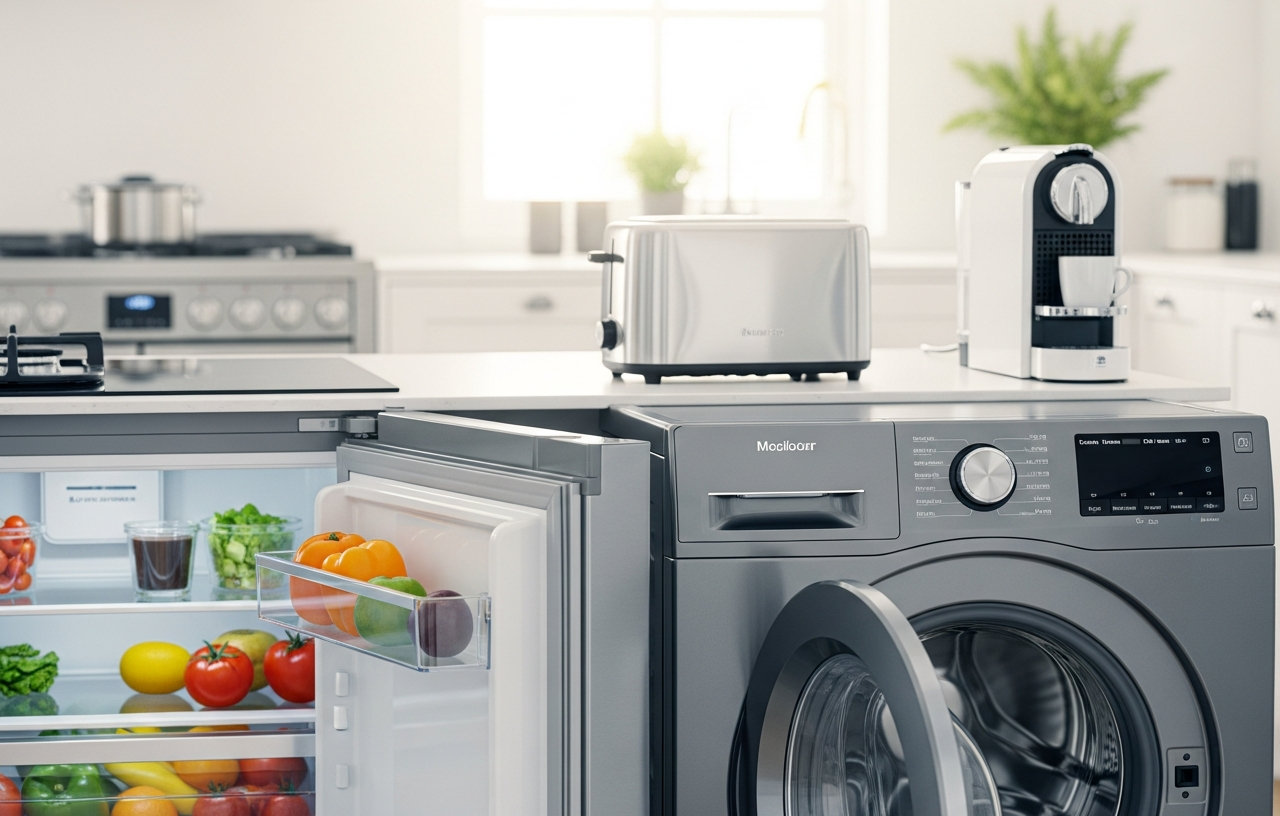
Major appliances represent a substantial investment. Refrigerators, washing machines, dryers, dishwashers, and ovens cost hundreds to thousands of dollars. Protecting that investment with an extended warranty might seem logical. However, not all warranties offer equal value. Some plans cover parts and labor comprehensively, while others have significant exclusions or high deductibles. Your decision should align with your budget, risk tolerance, and the specific appliance's reliability record.
Understanding Different Types of Extended Warranties
Extended warranties generally fall into two categories: those offered by the appliance manufacturer and those from third-party providers.
Manufacturer-Backed Extended Warranties
Many appliance manufacturers offer their own extended service plans. These often integrate well with their existing service networks. They typically use authorized technicians and original equipment manufacturer (OEM) parts. This can lead to higher quality repairs and fewer disputes over parts availability. The downside is that manufacturer warranties might be more expensive than third-party options. Their terms can also vary widely.
Third-Party Extended Warranties
Independent companies specialize in selling extended warranties for a variety of products, including home appliances. These providers often offer competitive pricing and flexible plans. They may cover multiple brands under one contract. The main challenge with third-party providers is vetting their reliability and service quality. Some have excellent reputations, while others are known for difficult claims processes or limited repair networks. Always research the company thoroughly before committing.
Key Factors to Evaluate Before Buying
Choosing an extended warranty requires more than just comparing prices. Look closely at the details to find a plan that truly protects your interests.
Coverage Details: What's Included?
Read the fine print. Make sure the warranty clearly states what components and types of failures it covers. Does it include parts, labor, and diagnostic fees? Some warranties only cover specific parts, leaving you responsible for others. Check if cosmetic damage, accidental damage, or issues related to power surges are included. Most appliance repair issues, like a refrigerator not cooling but the light is on, stem from mechanical or electrical failures, which good plans should cover.
Exclusions: What's Not Covered?
This section is just as important as the inclusions. Common exclusions include:
- Cosmetic damage (dents, scratches)
- Damage from misuse or improper installation
- Pre-existing conditions (problems present before the warranty started)
- Normal wear and tear items (filters, light bulbs)
- Loss of food due to refrigerator failure
- Damage from natural disasters or pests
Deductibles and Service Fees
Some warranties require you to pay a deductible each time a service technician visits or for each repair. This fee can range from $50 to $150. A low monthly premium might seem attractive, but a high deductible can negate savings on smaller repairs. Look for plans with no deductible or a very low one. Some plans offer a single service fee per incident, regardless of the number of repairs needed for that issue.
Claim Process and Response Time
A warranty is only as good as its claims process. How do you file a claim? Is it an easy online form, a phone call, or a complex series of steps? How quickly does the company dispatch a technician? Delays can be especially problematic for essential appliances like refrigerators or washing machines. Research customer reviews regarding claims handling and average response times.
Repair Network and Technician Qualifications
Who performs the repairs? Manufacturer warranties typically use their own authorized technicians. Third-party providers might use a network of independent repair shops. Make sure the network includes qualified, certified technicians in your area. Ask if you can choose your own repair company or if you must use theirs. Some plans offer cash reimbursement if you choose an out-of-network repairer, but this is less common.
Transferability
If you plan to sell your home or the appliance before the warranty expires, transferability can add value. Some warranties allow you to transfer the remaining coverage to a new owner, often for a small fee. This can be a selling point for potential buyers.
Cancellation Policy
Circumstances change. You might sell the appliance, or decide the warranty is no longer needed. Check the cancellation policy. Can you cancel for a prorated refund? Are there cancellation fees? Some policies offer a full refund if canceled within a certain period, usually 30 days, and a prorated refund afterward.
Company Reputation and Financial Stability
A warranty is a promise. Make sure the company behind that promise is reputable and financially stable. Check reviews on consumer protection sites and the Better Business Bureau. Look for companies with a long history and positive customer feedback. A company with many complaints about denied claims or slow service is a major red flag.
Cost Versus Appliance Reliability
Consider the cost of the warranty against the likelihood of repair. Some appliances are known for their durability. Others, especially those with many electronic features, might be more prone to issues. Research the average lifespan and common problems for your specific appliance model. Consumer reports and user reviews can offer insights. For instance, if you own a model known for dishwasher not draining water frequently, an extended warranty might be more appealing.
Red Flags to Watch For When Buying
Not all extended warranties are created equal. Some providers use tactics that should make you cautious.
- Aggressive Sales Tactics: High-pressure sales pitches, especially right after purchasing an appliance, should raise suspicion. Take your time to research and compare.
- Vague Terms and Conditions: If the warranty document is difficult to understand or uses ambiguous language, it could lead to disputes later. Demand clarity on coverage, exclusions, and the claims process.
- High Pressure to Buy Immediately: Salespeople might claim the offer is only valid today. A reputable company allows you time to make an informed decision.
- Limited Repair Options: A warranty that restricts you to a single, obscure repair shop or forces you to ship your appliance across the country is not practical.
- Poor Online Reviews: A consistent pattern of complaints about denied claims, slow service, or difficulty reaching customer support signals a problematic provider.
Comparing Your Options Effectively
Once you have gathered information from several warranty providers, organize it for easy comparison.
- Create a Spreadsheet: List each warranty option and its key features: price, deductible, coverage period, inclusions, exclusions, and claim process.
- Calculate Total Potential Cost: Factor in the warranty price plus any deductibles you might pay over the life of the contract.
- Read Customer Reviews: Beyond the company's website, check independent review sites and consumer forums for unbiased feedback.
- Compare with Self-Insurance: Consider setting aside the money you would spend on a warranty into a savings account. This 'repair fund' can cover unexpected costs. For minor issues that you might fix yourself, like a washing machine not spinning clothes dry, the cost of parts might be less than a deductible.
- Understand Your Appliance's Age: Older appliances often have a higher risk of breakdown, which might make a warranty more appealing. However, some warranties have age limits or higher premiums for older units.
long term Cost of Ownership and Maintenance
An extended warranty is one part of managing appliance costs. Proper maintenance is another. Regular cleaning and upkeep can significantly extend the life of your appliances and reduce the need for repairs. For example, cleaning refrigerator condenser coils or dishwasher filters can prevent common failures. You can find useful advice on routine maintenance in our Home Appliance Maintenance Checklist That Saves You $1000s.
Factor in the average lifespan of your appliances. Most major appliances last 10-15 years. An extended warranty typically covers 3-5 years beyond the manufacturer's warranty. If an appliance is nearing the end of its expected life, investing in a warranty might not be the most economical choice. The money might be better saved for a replacement.
The decision to buy an extended warranty for a home appliance depends on individual factors. For those who prefer predictable expenses and dislike unexpected repair bills, a carefully chosen warranty offers value. For DIY enthusiasts who are comfortable troubleshooting and repairing common issues, a warranty might be less necessary. The key is making an informed decision, understanding exactly what you are buying, and making sure the provider is reliable. Do not rush into a purchase. Evaluate the terms, the provider, and your own comfort with potential repair costs.