DA81-06013A Refrigerator Evaporator Fan Motor,Replacement Parts DA31-00287A U92C12MS1B3-52 for Samsung RF28HMEDBSR RF28HFEDTSR RF26HFENDSL R
- 【Upgraded DA81-06013A Refrigerator Condenser Fan Motor】for Samsung :FR28HMEDBSR/AA, RF23HCEDBSR/AA, RF23HSESBSR/AA, RF26HFENDWW/AA, RF26HFENDBC/AA,RF18,RF20,RF22,RF23,RF24,RF25,RF26,RF28,RF30,RF31,RF323,RF34,RF4267,RT16,
- DA32-10105X Refrigerator Temperature Sensor Made with high quality materials,Precision Sensor,accurate temperature monitoring and control.Replace Part Number DA32-10105X, AP4338786,2030345, PS4138686, 110182.
- Solve multiple issues :Poor cooling、Damaged evaporator fan、 Evaporator coils are frozen、The freezer compartment is frosted、rises ice maker not working, and abnormal loud noises from the freezer.
- Refrigerator Evaporator Fan Motor (Voltage/12V, Current/0.16A) tested rigorously by the manufacturer, and meets OEM standards. with Sponge. (Sponge can play the role of shock absorption and noise reduction) ensures quiet
- Package Contents: 1 x DA81-06013A Refrigerator Evaporator Fan Motor; 1x DA32-10105X Refrigerator Temperature Sensor. Before placing your order, please make sure to carefully verify that your device model matches the list

BlueStars Premium WR60X10141 Refrigerator Evaporator Fan Motor Replacement - Compatible with G.E Hotpoint Fridges - Replaces WR60X31522 WR60
- 100% LIFETIME PROTECTION: Enjoy reliable performance with our lifetime protection, ensuring that your product will always be covered for any defects or issues that may arise.
- MODEL NUMBER: WR60X10141 Refrigerator Evaporator Fan Motor (Specs: 60 Hz, 3W, 115V, 1 3/8-inch shaft length, 1/8-inch shaft diameter).
- EASY TO INSTALL: It is made exactly fit for most top name brands (General Electric, Hotpoint) and replaces part numbers: WR60X10045, WR60X10046, WR60X10072, WR60X10138, WR60X10141, WR60X10346, WR60X27646, PS10063450, AP5
- FIT MODELS: GE GTS15GBRFLWW, GTS15GBRFRWW, GTS16BBMBLCC, GTS16BBMBLWW, GTS16BBMBRCC, GTS16BBMBRWW, GTS16BBMDLCC, GTS16BBMDLWW, 36211XBMBRWW, 36211XBMDRWW, 36211XBMERWW, 36211XBMERWW, 36211XBRERWW, 36211XBRFRWW, 36411XBRE
- PREMIUM QUALITY: The replacement part is made from durable high quality material and well-tested by the manufacturer - Meets OEM standards - Ensure long-lasting and effective performance. This part fixes the following sy
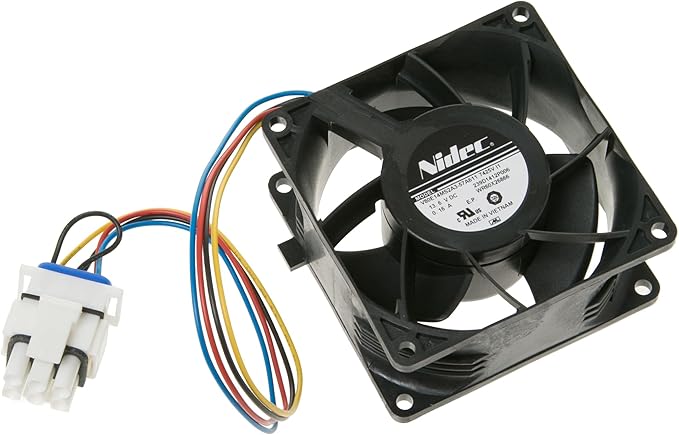
GE Appliances Refrigerator Evaporator Fan Motor WR60X26866, WR60X26033
- This evaporator fan motor (part number WR60X26866) is for refrigerators.
- CIRCULATES air through the fresh food compartment for efficient cooling.
- RESTORES the temperature and the proper operation of the device, save your time and money, better preserve food.
- Replacement for numbers 239D1412P006, V80E14MS2A3-57A611, AP5985039 and PS11721915
- Safely store any food that could deteriorate while the power is off and unplug the refrigerator before installing this part. Wear work gloves to protect your hands.
That persistent buzzing noise coming from your refrigerator can be incredibly annoying, turning your quiet kitchen into a noisy appliance hub. While some fridge sounds are normal, a loud, constant, or unusual buzzing often signals a problem that needs attention. The good news is that many buzzing noises are caused by relatively simple issues you can fix yourself, saving you a costly service call.
Before you call a technician or consider buying a new appliance, let's break down the most common culprits behind a noisy refrigerator. We'll start with the easiest and cheapest fixes first, then move on to more complex repairs, providing realistic cost estimates along the way.
Safety First: Always Unplug Your Refrigerator
Before attempting any inspection or repair on your refrigerator, always prioritize your safety. Unplug the appliance from the wall outlet to prevent electrical shock or injury from moving parts. If you cannot reach the plug, trip the circuit breaker that supplies power to the refrigerator.
6 Common Causes of Refrigerator Buzzing Noise
Here are the most frequent reasons your refrigerator might be buzzing loudly:
- Condenser Fan Motor: Often located at the bottom rear of the fridge, this fan cools the compressor and condenser coils.
- Evaporator Fan Motor: Found inside the freezer compartment, this fan circulates cold air throughout the fridge and freezer.
- Compressor: The heart of your refrigeration system, located at the bottom rear.
- Defrost System Issues: Problems with the defrost timer, heater, or sensor can lead to ice buildup.
- Water Inlet Valve: Controls water flow to the ice maker and water dispenser.
- Loose Components or Vibration: Simple rattling parts or objects near the fridge.
1. The Condenser Fan Motor
What it does and why it buzzes
Your refrigerator's condenser fan motor is usually located at the bottom rear of the unit, often next to the compressor. Its job is to draw air over the condenser coils and the compressor, helping to dissipate heat generated during the cooling process. If this fan gets dirty, obstructed, or starts to fail, it can create a distinct buzzing or rattling sound.
Common reasons for a noisy condenser fan include:
- Dirt and Debris: Dust, pet hair, and lint can accumulate on the fan blades and motor, causing imbalance and vibration.
- Worn Bearings: Over time, the motor's bearings can wear out, leading to a loud buzzing or grinding noise.
- Loose Blades: The fan blades might become loose on the motor shaft or even hit the housing.
Troubleshooting and Fixes
- Unplug the Refrigerator: Always start by disconnecting power.
- Access the Condenser Area: Carefully pull your refrigerator away from the wall. Most models have a rear access panel at the bottom, secured by a few screws. Remove this panel.
- Inspect and Clean: Use a vacuum cleaner with a brush attachment to thoroughly clean the condenser coils, the fan blades, and the motor housing. Remove any visible obstructions.
- Check the Fan: Gently try to spin the fan blades by hand. They should spin freely. If they feel stiff, wobbly, or make a grinding sound, the motor may be failing. Check for loose blades on the shaft.
- Test (briefly): After cleaning, you can plug the fridge back in for a moment to see if the noise has stopped. If the buzzing persists and the fan still seems to struggle, replacement is likely needed.
Cost of Repair
A new condenser fan motor typically costs between $30 and $100 for the part. This is a relatively straightforward DIY repair for most homeowners, requiring basic tools like a screwdriver and possibly a nut driver. If you call a professional, expect to pay anywhere from $150 to $300, which includes the service call fee, the part, and labor.
"Many buzzing noises start with the condenser fan," says Mark Johnson, a Master Appliance Technician at 'Reliable Home Repairs'. "It's often the first thing to get clogged with pet hair and dust, restricting its movement and causing that tell-tale buzz."
2. The Evaporator Fan Motor
What it does and why it buzzes
The evaporator fan motor is located inside the freezer compartment, usually behind a rear access panel. Its role is to circulate cold air over the evaporator coils and then throughout both the freezer and fresh food compartments. When this fan starts buzzing, it's often due to:
- Ice Buildup: A common culprit. If the defrost system isn't working correctly, ice can accumulate on the evaporator coils and around the fan blades, causing the fan to hit the ice.
- Failing Motor: Like the condenser fan, the evaporator fan motor's bearings can wear out, leading to a buzzing, grinding, or squealing noise.
- Obstruction: Sometimes, a small item from the freezer, like a piece of packaging, can get into the fan blades.
Troubleshooting and Fixes
- Unplug the Refrigerator: Safety first, always.
- Empty the Freezer: Remove all food items, shelves, and ice maker components to gain access.
- Remove the Rear Panel: Locate the screws holding the back panel of the freezer compartment in place. Remove them and carefully pull the panel away. You'll see the evaporator coils and the fan behind it.
- Inspect for Ice/Obstructions: Look for any ice buildup on the coils or around the fan blades. If there's significant ice, you'll need to manually defrost the freezer. You can do this by leaving the freezer door open for several hours (with towels to catch water) or by using a hairdryer on a low, cool setting (be careful not to melt plastic components).
- Check the Fan: Once any ice is gone, gently spin the fan blades by hand. They should rotate freely without resistance or wobbling. If the fan is stiff, makes noise, or is visibly damaged, the motor needs replacement.
Cost of Repair
If you find the evaporator fan motor is the culprit, replacing it yourself is a very achievable DIY project. For Samsung refrigerator owners, the DA81-06013A Refrigerator Evaporator Fan Motor is an excellent choice. This part is designed for many Samsung models, including the RF28HMEDBSR and RF26HFENDSL, and addresses issues like poor cooling, frozen evaporator coils, and abnormal loud noises from the freezer. It's our TOP PICK for its comprehensive solution.
For G.E. and Hotpoint fridges, the BlueStars Premium WR60X10141 Refrigerator Evaporator Fan Motor Replacement is a reliable option, known for its easy installation and compatibility with many models like WR60X10045 and WR60X10046. Another solid choice for G.E. appliances is the GE Appliances Refrigerator Evaporator Fan Motor WR60X26866, which specifically circulates air through the fresh food compartment for efficient cooling.
An evaporator fan motor typically costs between $40 and $180 for the part. This DIY fix can save you a good amount. A professional repair, including the part, labor, and service call, usually runs from $180 to $400.
3. The Compressor
What it does and why it buzzes
The compressor is essentially the engine of your refrigerator, located at the bottom rear, usually near the condenser fan. It's responsible for compressing the refrigerant gas, which is a crucial step in the cooling cycle. A buzzing noise from the compressor can indicate a serious problem, often a sign of a failing unit or a faulty start relay.
Reasons for a buzzing compressor:
- Failing Internal Components: The compressor itself might be nearing the end of its life, with internal components breaking down.
- Faulty Start Relay: The start relay helps the compressor kick on. If it's failing, the compressor might buzz loudly as it struggles to start.
Troubleshooting and Fixes
Listen closely to the buzzing sound. Does it happen constantly, or does it try to start with a loud buzz and then quiet down, only to repeat the cycle? If your refrigerator isn't cooling effectively and you hear a distinct, loud buzzing from the rear, especially when the compressor tries to run, it could be the culprit.
Compressor replacement is typically not a DIY job. It requires specialized tools, handling of refrigerants, and expertise that most homeowners don't possess. If you suspect your compressor is failing, it's time to call a professional.
Cost of Repair
This is by far the most expensive repair. A new compressor can cost anywhere from $200 to $500 for the part alone, with professional labor adding another $200 to $300 or more. The total cost for a compressor replacement can easily range from $400 to $800+. For older refrigerators, replacing the compressor often isn't cost effective, and buying a new fridge might be a more sensible option.
4. Defrost System Issues (Timer, Sensor, Heater)
What it does and why it buzzes
Your refrigerator has an automatic defrost system that prevents excessive ice buildup on the evaporator coils. This system includes a defrost timer (or a control board), a defrost heater, and a defrost thermostat or temperature sensor. If any part of this system fails, ice can build up around the evaporator coils and the evaporator fan, leading to a buzzing sound as the fan blades hit the ice.
A faulty temperature sensor, for example, can cause the defrost cycle to malfunction. The DA32-10105X Refrigerator Temperature Sensor is a precision sensor designed to accurately monitor and control temperature. It can help solve issues like poor cooling, frozen evaporator coils, and a frosted freezer compartment, all of which contribute to abnormal loud noises from the freezer due to ice buildup impacting the evaporator fan.
Troubleshooting and Fixes
- Unplug the Refrigerator: You know the drill.
- Listen for Clicking: The defrost timer, if present, often makes an audible clicking sound as it cycles. Try to locate it (sometimes behind the kick plate, inside the control panel, or at the back of the fridge) and listen.
- Inspect for Ice: As mentioned with the evaporator fan, significant ice buildup on the evaporator coils and around the fan blades in the freezer is a strong indicator of a defrost system problem.
- Test Components (Advanced DIY): Testing individual defrost components, like the heater or thermostat, usually requires a multimeter and some electrical knowledge.
- Replace Components: If you identify a faulty defrost timer or temperature sensor, these can often be replaced by a DIYer. A faulty defrost heater or thermostat might be more challenging due to access and wiring.
Cost of Repair
Defrost system components vary in cost: a defrost timer typically costs $20-$60, a defrost thermostat $15-$40, and a defrost heater $50-$150. A temperature sensor like the DA32-10105X can be found for $10-$30. A main control board, which often manages the defrost cycle on newer models, can range from $100-$300. DIY replacement of a timer or sensor is quite feasible. For professional repair, expect to pay between $150 and $500, depending on which component needs replacing and the complexity.
5. The Water Inlet Valve
What it does and why it buzzes
If your refrigerator has an ice maker or water dispenser, it uses a water inlet valve to control the flow of water into the unit. This valve is typically located at the back of the refrigerator, where the water supply line connects. A buzzing noise from this area, especially when the ice maker is trying to fill or when you dispense water, can indicate a problem with the valve.
Reasons for a buzzing water inlet valve:
- Faulty Solenoid: The valve uses an electromagnetic solenoid to open and close. If this solenoid is weak or failing, it can buzz loudly as it tries to operate.
- Low Water Pressure: Insufficient water pressure can cause the valve to struggle and buzz.
- Mineral Deposits: Hard water can lead to mineral buildup inside the valve, causing it to stick or buzz.
Troubleshooting and Fixes
- Unplug the Refrigerator: Essential for safety.
- Listen Closely: Pay attention to when the buzzing occurs. Does it happen only when the ice maker cycles or when you try to get water?
- Check Water Pressure: Ensure your home's water pressure is adequate. You can also try shutting off the water supply to the fridge, disconnecting the water line at the valve, and then briefly turning on the water to see if you have a strong, steady flow.
- Inspect the Valve: Visually inspect the valve for any leaks or obvious damage. If the buzzing is consistent with the valve trying to open but not fully succeeding, replacement is often the solution.
Cost of Repair
A new water inlet valve typically costs between $30 and $80. This is a relatively easy DIY repair, as it mostly involves disconnecting water lines and electrical connectors. A professional service call to replace the water inlet valve would likely cost between $100 and $250.
6. Loose Components or Vibration
What it does and why it buzzes
Sometimes, the buzzing noise isn't an internal component failure but simply a part rattling or vibrating against another. This is the easiest and cheapest fix, so it's always worth checking!
Common culprits include:
- Drip Pan: The pan located beneath the refrigerator, designed to catch defrost water, can become dislodged or vibrate.
- Leveling Feet: If the refrigerator isn't perfectly level, it can wobble and vibrate.
- Items on Top or Inside: Loose items on top of the fridge, or even shelves and food items inside, can vibrate and create noise.
- Loose Screws/Panels: Exterior or interior panels might have loose screws causing them to rattle.
Troubleshooting and Fixes
- Unplug the Refrigerator: Even for a simple check, it's a good habit.
- Inspect the Drip Pan: Pull the fridge out, remove the rear access panel, and ensure the drip pan is securely seated and not touching any other components.
- Check Leveling: Gently rock the refrigerator to see if it's stable. Adjust the leveling feet at the bottom corners until it's perfectly steady.
- Examine Surroundings: Make sure the fridge isn't pushed too tightly against a wall or cabinet, which can amplify vibrations.
- Internal Check: Open the doors and check that all shelves, drawers, and food items are secure and not rattling.
Cost of Repair
This fix is usually free, requiring only your time and a bit of inspection.
"Don't underestimate simple vibrations," advises Sarah Chen, owner of 'QuickFix Appliance Services'. "Often, a buzzing sound is just the drip pan rattling, or even a loose item on top of the fridge. Always check the obvious, easy things first."
When to Call a Professional Appliance Repair Technician
While many refrigerator buzzing noises can be tackled by a DIY enthusiast, there are times when calling a professional is the smartest move:
- Compressor Issues: As discussed, replacing a compressor is complex, requires special tools, and involves handling refrigerants. This is almost always a job for a certified technician.
- Electrical Work Discomfort: If you're not comfortable working with electrical components or wiring, or if you don't have a multimeter to test parts, it's best to leave it to an expert.
- Extensive Disassembly: Some repairs require taking apart a significant portion of the refrigerator. If you're worried about putting it back together correctly, a pro can save you headaches.
- Unidentified Problem: If you've gone through all the troubleshooting steps and still can't pinpoint the source of the buzzing noise, a technician has the experience and diagnostic tools to find the issue quickly.
- Cost-Benefit Analysis: Consider the age and value of your refrigerator. If the repair cost (especially for major components like a compressor) approaches or exceeds half the cost of a new appliance, it might be more economical to invest in a replacement.
Expect a professional service call fee to be between $75 and $150, which often includes the diagnosis. Hourly labor rates typically range from $60 to $100, plus the cost of parts.
Silence That Buzz
A loud buzzing refrigerator can be more than just an annoyance, it can be a sign of underlying issues affecting its efficiency and lifespan. By systematically troubleshooting the common causes, starting with the simplest and cheapest, you can often diagnose and fix the problem yourself. Remember to always prioritize safety by unplugging your appliance before any inspection or repair. With a little patience and the right guidance, you can get your refrigerator back to its quiet, efficient self, preserving your food and your peace of mind.
DA81-06013A Refrigerator Evaporator Fan Motor,Replacement Parts DA31-00287A U92C12MS1B3-52 for Samsung RF28HMEDBSR RF28HFEDTSR RF26HFENDSL R
- 【Upgraded DA81-06013A Refrigerator Condenser Fan Motor】for Samsung :FR28HMEDBSR/AA, RF23HCEDBSR/AA, RF23HSESBSR/AA, RF26HFENDWW/AA, RF26HFENDBC/AA,RF18,RF20,RF22,RF23,RF24,RF25,RF26,RF28,RF30,RF31,RF323,RF34,RF4267,RT16,
- DA32-10105X Refrigerator Temperature Sensor Made with high quality materials,Precision Sensor,accurate temperature monitoring and control.Replace Part Number DA32-10105X, AP4338786,2030345, PS4138686, 110182.
- Solve multiple issues :Poor cooling、Damaged evaporator fan、 Evaporator coils are frozen、The freezer compartment is frosted、rises ice maker not working, and abnormal loud noises from the freezer.
- Refrigerator Evaporator Fan Motor (Voltage/12V, Current/0.16A) tested rigorously by the manufacturer, and meets OEM standards. with Sponge. (Sponge can play the role of shock absorption and noise reduction) ensures quiet
- Package Contents: 1 x DA81-06013A Refrigerator Evaporator Fan Motor; 1x DA32-10105X Refrigerator Temperature Sensor. Before placing your order, please make sure to carefully verify that your device model matches the list
BlueStars Premium WR60X10141 Refrigerator Evaporator Fan Motor Replacement - Compatible with G.E Hotpoint Fridges - Replaces WR60X31522 WR60
- 100% LIFETIME PROTECTION: Enjoy reliable performance with our lifetime protection, ensuring that your product will always be covered for any defects or issues that may arise.
- MODEL NUMBER: WR60X10141 Refrigerator Evaporator Fan Motor (Specs: 60 Hz, 3W, 115V, 1 3/8-inch shaft length, 1/8-inch shaft diameter).
- EASY TO INSTALL: It is made exactly fit for most top name brands (General Electric, Hotpoint) and replaces part numbers: WR60X10045, WR60X10046, WR60X10072, WR60X10138, WR60X10141, WR60X10346, WR60X27646, PS10063450, AP5
- FIT MODELS: GE GTS15GBRFLWW, GTS15GBRFRWW, GTS16BBMBLCC, GTS16BBMBLWW, GTS16BBMBRCC, GTS16BBMBRWW, GTS16BBMDLCC, GTS16BBMDLWW, 36211XBMBRWW, 36211XBMDRWW, 36211XBMERWW, 36211XBMERWW, 36211XBRERWW, 36211XBRFRWW, 36411XBRE
- PREMIUM QUALITY: The replacement part is made from durable high quality material and well-tested by the manufacturer - Meets OEM standards - Ensure long-lasting and effective performance. This part fixes the following sy
GE Appliances Refrigerator Evaporator Fan Motor WR60X26866, WR60X26033
- This evaporator fan motor (part number WR60X26866) is for refrigerators.
- CIRCULATES air through the fresh food compartment for efficient cooling.
- RESTORES the temperature and the proper operation of the device, save your time and money, better preserve food.
- Replacement for numbers 239D1412P006, V80E14MS2A3-57A611, AP5985039 and PS11721915
- Safely store any food that could deteriorate while the power is off and unplug the refrigerator before installing this part. Wear work gloves to protect your hands.