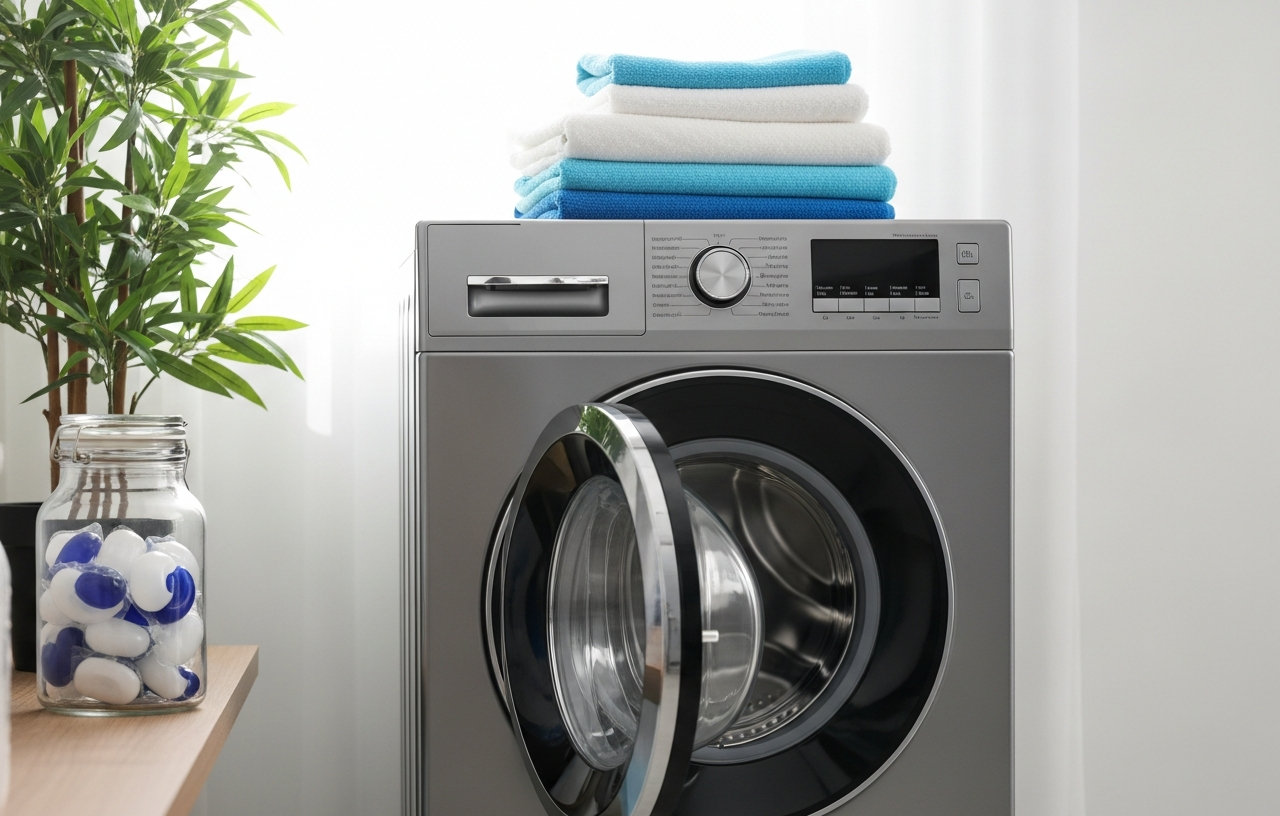
Choosing a new washing machine can feel overwhelming. Many homeowners look for appliances that combine efficiency with effective cleaning. Front load washing machines offer several advantages over top loaders, including better water and energy efficiency, gentler clothes treatment, and stackable designs for smaller spaces.
Why Choose a Front Load Washing Machine?
Front loaders have gained popularity for good reason. They use less water than traditional top-load models because the drum tumbles clothes through a small pool of water, rather than submerging them. This also reduces the amount of detergent needed. Their high spin speeds extract more water from clothes, shortening drying times and saving energy with your dryer.
Many homeowners also appreciate the ergonomic design. The absence of a central agitator means more capacity for bulky items. You can often find a matching front load washer and dryer set, which allows for stacking in compact laundry rooms. This space-saving configuration is a major draw for apartments and smaller homes.
Benefits of Front Load Washers
- Water and Energy Efficiency: Typically use 20-50% less water and 30-60% less energy than top-load agitator models. This translates to lower utility bills.
- Gentler on Clothes: The tumbling action is less abrasive than an agitator, preserving fabric quality and extending the life of your garments.
- Higher Spin Speeds: Extracts more water, leading to faster drying cycles.
- Larger Capacity: No agitator means more room inside the drum for bigger loads, like bedding or towels.
- Stackable Design: Many front load washer and dryer units can be stacked vertically, freeing up floor space.
Key Specifications to Consider for the Best Front Load Washing Machines
When searching for the best front load washer, several factors influence performance, longevity, and overall satisfaction. Focus on these specifications to find a model that meets your household’s needs.
Capacity
Washing machine capacity is measured in cubic feet. A larger drum handles bigger loads, reducing the number of cycles you run each week. This saves time and energy. Consider your household size and typical laundry volume:
- 2.0-3.0 cubic feet: Suitable for singles or couples, small loads.
- 3.1-4.5 cubic feet: Ideal for small to medium families, handles everyday loads and some bulky items.
- 4.6 cubic feet and above: Best for large families, frequent washing of bulky items, or those who prefer fewer, larger loads.
Many front load washing machine with dryer sets offer comparable capacities, making it easy to pair them.
Spin Speed (RPM)
Spin speed, measured in revolutions per minute (RPM), indicates how fast the drum rotates during the final spin cycle. Higher RPMs extract more water from clothes, reducing drying time. This is especially beneficial if you frequently wash heavy items or want to save on dryer energy costs. Look for models with at least 1200 RPM for effective water extraction.
If your washing machine won't spin clothes dry, it could be a mechanical issue, but choosing a model with a robust spin capability helps prevent this.
Energy Efficiency
All new washing machines sold in the US display an EnergyGuide label. This label estimates annual energy consumption and operating costs. Look for the Energy Star certification, which signifies that the appliance meets strict energy efficiency guidelines set by the EPA. Energy Star certified front load washers use less water and energy, leading to significant savings over the appliance's lifespan.
Wash Cycles and Features
Modern front load washers come with a variety of wash cycles and features. Consider which ones are important to you:
- Steam Cycles: Helpful for sanitizing, stain removal, and reducing wrinkles.
- Sanitize Cycle: Uses extra hot water to kill bacteria, useful for baby clothes or allergy sufferers.
- Allergen Cycle: Removes common household allergens like dust mites and pet dander.
- Delay Start: Allows you to set the machine to start at a later time, taking advantage of off-peak electricity rates or having laundry ready when you wake up.
- Automatic Detergent Dispenser: Dispenses the correct amount of detergent based on load size and soil level.
- Smart Features: Wi-Fi connectivity allows for remote monitoring, cycle selection, and diagnostics via a smartphone app.
The best rated front loader washing machine often includes a good balance of these features.
Red Flags and Common Issues with Front Load Washers
While front loaders offer many advantages, they also have specific considerations. Being aware of these helps in both selection and maintenance.
Mold and Mildew Growth
The sealed environment of a front load washer can trap moisture, leading to mold and mildew growth around the rubber gasket (boot) and inside the detergent dispenser. This can cause unpleasant odors and affect laundry freshness. To prevent this, always leave the door ajar after a cycle, wipe down the gasket, and regularly clean the dispenser. For more specific cleaning advice, refer to guides on how to kill mildew in a washing machine.
Vibration and Noise
High spin speeds, while efficient, can cause significant vibration and noise, especially if the machine is not perfectly level. Make sure the washer is installed on a sturdy, level floor. Anti-vibration pads can also help mitigate this issue. If you are placing a front load washer with dryer in a second-story laundry room, consider reinforced flooring or specialized pedestals.
Door Seal Leaks
Over time, the rubber door gasket can wear out, crack, or accumulate debris, leading to leaks. Regular inspection and cleaning of this seal can prevent issues. If a leak develops, a professional repair typically costs $80-$150 for a service call, plus parts and labor for gasket replacement, which can range from $150-$300.
Control Panel Failures
Like any electronic appliance, the control panel can sometimes malfunction. This might manifest as unresponsive buttons or incorrect cycle selections. While rare, these repairs can be expensive, sometimes costing $200-$500 for parts and labor. Look for models with good warranty coverage on electronics.
Comparing Options: What Matters Most
When evaluating different models of top rated front load washers, consider these aspects:
- Brand Reputation: Some brands have a stronger track record for reliability and customer service. Research verified customer ratings and reviews.
- Warranty: Look for a good warranty, especially on the motor and drum, which are expensive components.
- Noise Level: Manufacturers often provide decibel ratings. If your laundry room is near living areas, a quieter model is beneficial.
- Dimensions: Make sure the machine fits your space, especially if you plan to stack a front loader washing machine and dryer.
long term Cost of Ownership and Maintenance
The purchase price of a front load washing machine is only part of the total cost. Energy and water consumption contribute to ongoing expenses. An Energy Star certified model can save hundreds of dollars in utility costs over its 10-13 year lifespan. According to manufacturer data, proper maintenance significantly extends an appliance's life.
Regular Maintenance Tips
Performing routine maintenance helps prevent costly repairs and keeps your machine running efficiently. A general home appliance maintenance checklist includes these steps for your washer:
- Clean the Gasket: Wipe down the rubber door seal after each use to prevent mold and mildew.
- Clean the Detergent Dispenser: Remove and clean the dispenser drawer regularly. You can find detailed instructions on the best way to clean a washing machine detergent dispenser.
- Run a Cleaning Cycle: Use a specialized washer cleaner or a mixture of vinegar and baking soda to run a hot water cleaning cycle monthly.
- Check Hoses: Inspect water inlet and drain hoses annually for cracks or leaks. Replace them if they show signs of wear to prevent flooding. If your washing machine is leaking from the bottom on spin, hoses are a common culprit.
- Clean the Drain Pump Filter: Many front loaders have a small filter near the bottom that traps lint and small items. Clean this filter every few months to prevent drainage issues.
Final Thoughts on the Best Front Load Washing Machines
Choosing the best front load washing machine involves careful consideration of capacity, spin speed, energy efficiency, and desired features. By understanding these factors and committing to regular maintenance, you can select an appliance that provides years of reliable service. Prioritize models known for durability and user satisfaction, and always factor in the long term operational costs.


