
Electrolux PureAdvantage® Probiotic Washer Cleaner Tablets- 6 Tablets
- Triple action cleaning power reduces odors and removes residue and buildup.
- Cleans and reduces odor more effectively than the leading competitor.
- Continually cleans for days as you run normal loads of laundry. Other brands may wash away after application.
- Cleans some hard to reach areas by removing soap residue, limescale, and soil.

Vamoosh 6-in-1 Front Load Washing Machine Cleaner | Lemon Fresh Scent | Patented Pet Hair Dissolving Technology | Removes
- DEEP CLEANING 6-IN-1 FORMULA - 6-in-1 washing machine cleaner descaler with HAIR DISSOLVING TECHNOLOGY. A.
- Vamoosh Washer Cleaner delivers a thorough cleanse, eliminating dirt and grime to leave your washing.
- Washing machine descaler eliminates limescale that can build up and cause your machine to overheat.
- Helps remove odor causing grime and residue, leaving a lemon fresh scent in your washing machine drum.
A distinct rotten egg smell emanating from your front load washer usually points to one of three main problems. These issues are all related to sulfur, specifically hydrogen sulfide gas. This gas can be produced by bacteria in different parts of your home's plumbing system or within the appliance itself. Identifying the source is the first step to eliminating the foul odor from your washing machine.
The Primary Culprits Behind a Rotten Egg Smell
When your front load washer smells like rotten eggs, the most common causes include:
- Bacterial buildup within the washing machine itself.
- Sulfur bacteria present in your home's water supply.
- Issues with the washer's drain line or standpipe.
Each cause has distinct diagnostic steps and repair solutions. Let's walk through how to test for each one.
1. Sulfur Bacteria Buildup in Your Front Load Washer
This is the most frequent reason for a front load washing machine smells like rotten eggs. Front-loaders, with their tight seals and efficient water use, can become breeding grounds for anaerobic bacteria. These bacteria thrive in damp, dark environments and feed on detergent residue, fabric softener, and lint. As they multiply, they produce hydrogen sulfide gas, which has that unmistakable rotten egg scent.
How to Diagnose Internal Washer Buildup
The easiest way to test this theory is to smell other water sources in your home. Turn on a cold water faucet in your kitchen sink or bathroom. Fill a clean glass with water and smell it. If the water from other faucets does not smell like rotten eggs, but your washer does, then the problem is almost certainly inside the appliance.
Solving the Problem: Deep Cleaning Your Washer
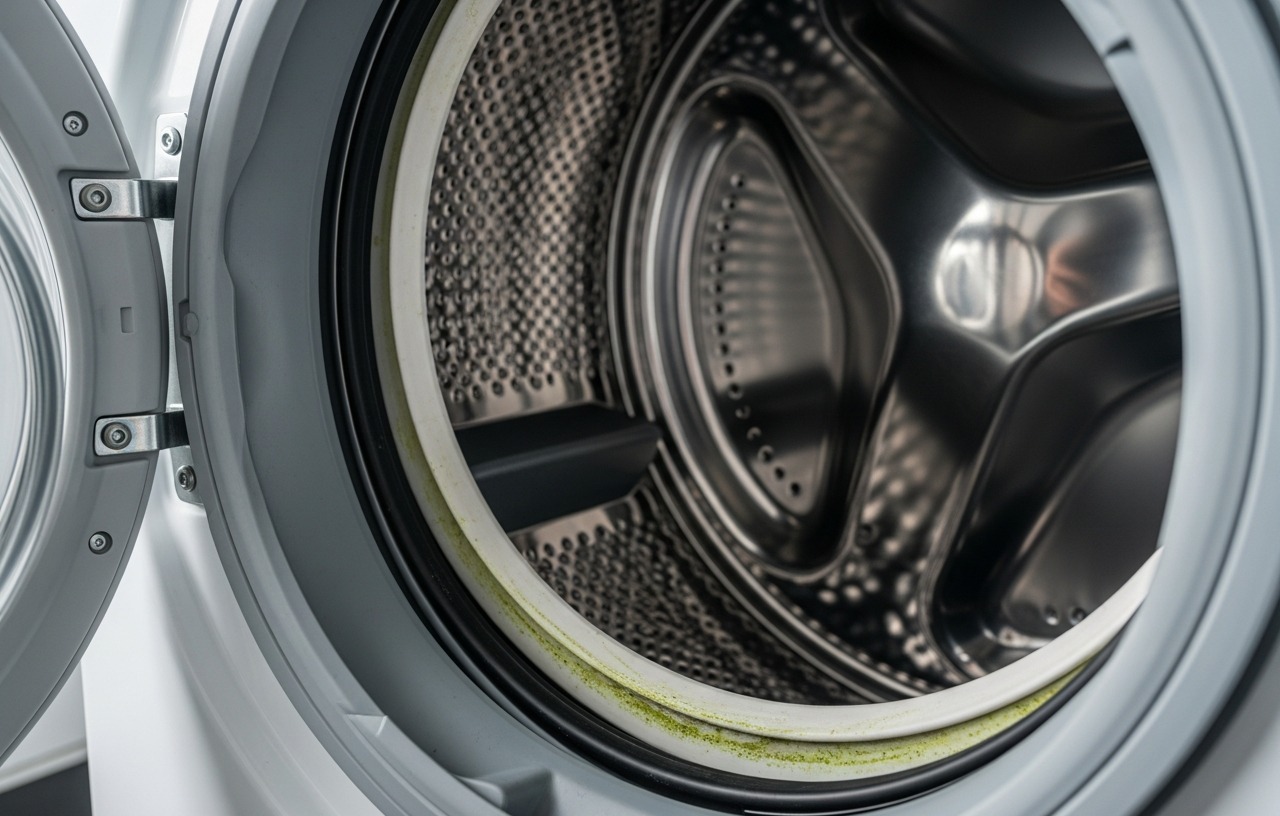
Cleaning your washing machine thoroughly can often resolve this issue. This involves cleaning the detergent dispenser, the drum, and especially the rubber door gasket (bellows).
- Clean the Gasket: Pull back the rubber door gasket around the opening of the drum. You will likely find slimy residue, mold, and trapped debris. Use a cloth dampened with a 1:1 solution of white vinegar and water, or a mild bleach solution (1/4 cup bleach to 1 gallon water), to wipe down the entire gasket. Pay close attention to all crevices.
- Run a Cleaning Cycle: Many modern front-load washers have a "Clean Washer" or "Tub Clean" cycle. If yours does, use it. If not, run an empty hot water cycle on the longest setting. Add a specialized washing machine cleaner to the detergent dispenser.
- Use a Washer Cleaner: We recommend a dedicated cleaner for persistent odors. The [TOP PICK] Electrolux PureAdvantage® Probiotic Washer Cleaner Tablets are highly effective. These tablets offer triple action cleaning power, reducing odors and removing residue and buildup. They clean and reduce odor more effectively than many competitors and continue to clean for days as you run normal loads of laundry, unlike other brands that may wash away quickly. Another option is the Vamoosh 6-in-1 Front Load Washing Machine Cleaner, which also offers deep cleaning and includes hair dissolving technology.
- Clean the Detergent Dispenser: Remove the detergent dispenser drawer if possible. Wash it thoroughly with hot, soapy water and a brush to remove any caked-on residue. Rinse and replace it. For a detailed guide on this, see our article on Best way to clean a washing machine detergent dispenser.
- Leave the Door Ajar: After each use, leave the washer door slightly ajar to allow the drum to air out and dry completely. This prevents moisture buildup that bacteria love.
The cost for this fix is minimal. A pack of specialized washer cleaning tablets typically costs between $15 and $25. The time investment is about 30 minutes for cleaning the gasket and dispenser, plus the duration of the cleaning cycle.
Regular maintenance is key for front load washers. Cleaning the gasket and running a tub clean cycle monthly can prevent most odor issues. This also helps prevent other common problems, like your washing machine smelling like mildew, which is another common complaint.
2. Sulfur Bacteria in Your Home's Water Supply
Sometimes, the rotten egg smell comes from the water itself, not just the washer. This indicates the presence of hydrogen sulfide gas in your home's water. Anaerobic bacteria in your water heater or well system often produce this gas. These bacteria are generally harmless, but they create a very unpleasant odor.
How to Diagnose Water Supply Issues
The key diagnostic test here is to smell water from multiple faucets in your home, both hot and cold. If the rotten egg smell is present in the hot water from several different fixtures, but not the cold water, the problem likely originates in your water heater. If both hot and cold water smell bad, especially if you have a well, the issue might be with your well water supply.
To confirm, fill a clean glass with cold water from a kitchen faucet and another with hot water. Step away from the sink and smell each glass. This helps isolate the source of the odor. If your GE front load washer smells like rotten eggs, and all your hot water does too, the water heater is a strong suspect.
Solving the Problem: Water Heater or Water Treatment
- For Water Heater Issues: You can flush your hot water heater. This involves draining the tank completely and refilling it. For severe cases, a professional plumber might suggest a 'shock chlorination' of the water heater, which involves adding a chlorine solution to kill the bacteria. Solutions range from whole-house filtration systems that include activated carbon filters to chlorination systems. The cost for a whole-house activated carbon filter system can range from $500 to $2,000, plus installation.
If you suspect water supply issues, it's wise to contact a local plumbing professional or water treatment company for a definitive diagnosis and solution. They can test your water and recommend the appropriate course of action.
3. Drain Line or Standpipe Issues
Your washer's drain system connects to your home's plumbing. If there are issues with the drain hose, standpipe, or the main drain line, sewer gases can back up into the washing machine. Sewer gas often contains hydrogen sulfide, creating that familiar rotten egg smell.
How to Diagnose Drain Line Problems
Inspect the washer's drain hose. Make sure it's properly installed into the standpipe. The hose should form an air gap or a high loop to prevent backflow and siphoning of sewer gases. The end of the drain hose should not be pushed too far down into the standpipe. There needs to be a small air gap, typically 1-2 inches, between the end of the hose and the water level in the standpipe's trap. If your LG front load washer smells like rotten eggs, checking this connection is a quick, free diagnostic step.
Also, check if the drain is slow or partially clogged. A slow drain can allow stagnant water to sit in the hose or standpipe, encouraging bacterial growth. You might notice other signs of drainage problems, like the washer not completely draining or leaving clothes excessively wet after a cycle. For more on drainage, you can consult resources like Dishwasher not draining water? Here are the 7 fastest fixes, as many drain principles apply across appliances.
Solving the Problem: Drain System Adjustments and Cleaning
- Adjust the Drain Hose: Re-route the drain hose to ensure it forms a proper high loop. This loop should be secured to the wall or the back of the washer at a height higher than the water level in the washer tub. This prevents dirty water from siphoning back into the machine and creates an air break.
- Check the Standpipe: Make sure the standpipe itself is not clogged. You can pour a gallon of hot water down the standpipe (without the washer hose in it) to see if it drains freely. If it drains slowly, you might have a clog further down the line.
- Clear a Clog: For minor clogs in the standpipe, a plumber's snake or a chemical drain cleaner (use sparingly and according to product instructions) might help. For deeper clogs in the main house drain, professional plumbing assistance may be needed.
Adjusting the drain hose is a free fix if you do it yourself. Clearing a minor clog with a drain snake costs about $15-$30 for the tool. If your Maytag front load washer smells like rotten eggs and you've ruled out internal buildup and water supply issues, the drain system is the next logical place to investigate.
Other Less Common Causes
- Dry P-Trap: All drains, including the standpipe for your washer, should have a P-trap. This U-shaped pipe holds a small amount of water, creating a seal that prevents sewer gases from entering your home. If the P-trap dries out (which can happen if a utility sink connected to the same drain is rarely used), the seal breaks, and gases can escape. Running water into the utility sink can easily refill the trap.
- Sewer Vent Blockage: Your home's plumbing system has vent pipes that allow sewer gases to escape through the roof. If these vents become blocked (by leaves, bird nests, or debris), pressure can build up, forcing sewer gases through plumbing fixture traps, including your washer's drain. This is a job best left to a professional plumber.
Preventing the Rotten Egg Smell in Your Front Loader Washer
Regular maintenance can significantly reduce the chances of your front loader washer smelling like rotten eggs. Here are some simple habits:
- Use HE Detergent Sparingly: High-efficiency (HE) detergents are concentrated. Using too much creates excessive suds and leaves more residue, which feeds odor-causing bacteria. Follow the manufacturer's recommendations.
- Run Hot Water Washes: Periodically wash towels or whites using hot water and a small amount of bleach (if safe for the fabric). The hot water and bleach help sanitize the drum.
- Clean the Gasket and Dispenser Monthly: Make this a routine part of your home appliance maintenance checklist.
- Run a Cleaning Cycle: Use a specialized washer cleaner like Electrolux PureAdvantage® Probiotic Washer Cleaner Tablets once a month or every few weeks, especially if you wash frequently.
- Leave the Door Ajar: Always leave the washer door and detergent dispenser drawer slightly open after a cycle. This allows air circulation and helps the interior dry completely.
- Remove Laundry Promptly: Do not leave wet laundry sitting in the washer after a cycle. Transfer it to the dryer as soon as the wash finishes.
By systematically diagnosing the source of the rotten egg smell and implementing these cleaning and preventive measures, you can eliminate the foul odor and keep your front load washer fresh and clean.
Electrolux PureAdvantage® Probiotic Washer Cleaner Tablets- 6 Tablets
- Triple action cleaning power reduces odors and removes residue and buildup.
- Cleans and reduces odor more effectively than the leading competitor.
- Continually cleans for days as you run normal loads of laundry. Other brands may wash away after application.
- Cleans some hard to reach areas by removing soap residue, limescale, and soil.
Vamoosh 6-in-1 Front Load Washing Machine Cleaner | Lemon Fresh Scent | Patented Pet Hair Dissolving Technology | Removes
- DEEP CLEANING 6-IN-1 FORMULA - 6-in-1 washing machine cleaner descaler with HAIR DISSOLVING TECHNOLOGY. A.
- Vamoosh Washer Cleaner delivers a thorough cleanse, eliminating dirt and grime to leave your washing.
- Washing machine descaler eliminates limescale that can build up and cause your machine to overheat.
- Helps remove odor causing grime and residue, leaving a lemon fresh scent in your washing machine drum.


