

AMI PARTS DC31-00178A Washer Drain Pump Motor for Samsung Washing Machines
- DC31-00178A Washer Drain Pump (120V, 60Hz, 80W) for Samsung Washers.
- Compatible with Samsung front-load and top-load washers in WA4, WA5, WF2, WF3, WF4 and WF5 series.
- Solves common washing machine issues like noise, not draining, or leaking.
- Made from premium, well-tested material by the manufacturer.
- Includes 365 days QA with professional after-sales service.

Techecook 4681EA2001T Washer Drain Pump Motor for Kenmore LG Washing Machines
- Replaces part numbers 4681EA2001T, AP5328388, 4681EA1007G, and more, helping to expel water from the washing machine.
- Resolves common washer issues like no draining, noisy cycles, or leaks, ensuring optimal performance.
- Constructed from high quality, resistant metal and ABS materials for long-lasting durability.
- Compatible with a wide range of Kenmore and LG front-load washing machine models (e.g., WM2101HW, WM3570HWA, WM3270CW).
- Features a 365-day warranty for peace of mind and customer satisfaction.
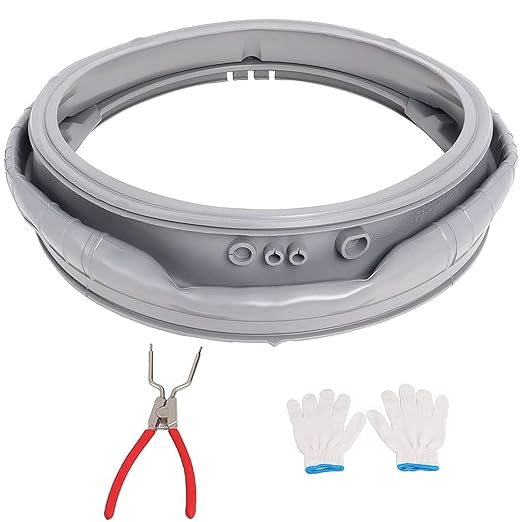
MDS47123619 WM3270CW WM3500CW/00 WM3700HVA/00 Door Gasket Compatibile with LG Front-Load Washing Machines, WM3270CW/00 Door Boot Seal with 3
- ⭕【𝗖𝗼𝗺𝗽𝗮𝘁𝗶𝗯𝗹𝗲】 MDS47123619 washer door seal is compatible with the models of LG washers :WM3500CW/00, WM3270CW, WM3270CW/00, WM3080CW/00, WM3180CW/00, WM3370HVA/01, WM3670HVA/01, WM3700HVA/00, WM3700HWA/00 and the Kenm...
- ⭕【𝙍𝙚𝙥𝙡𝙖𝙘𝙚𝙨 𝙋𝙖𝙧𝙩 𝙉𝙪𝙢𝙗𝙚𝙧】MDS47123619 gasket replaces AGF75223080, 4511798, AP6236842, PS12081606, EAP12081606. Note: Do not confuse MDS47123619 with MDS47123602 MDS47123605 MDS47123608, they are not interchangeable!!! P...
- ⭕【𝗛𝗶𝗴𝗵 𝗤𝘂𝗮𝗹𝗶𝘁𝘆】This MDS47123619 Washer door gasket is replacement part for use in front-loading washing machines. The Door Boot Seal forms a seal between the wash tub and the door, prevent leaks. MDS47123619 washer do...
- ⭕【𝗙𝗶𝘅 𝗦𝘆𝗺𝗽𝘁𝗼𝗺】If the washer appears to leak from under the front panel, check the rubber door boot seal for a hole or rip. If you find that the washer door boot is damaged. Replacing this product will restore the wash...
- ⭕【 𝑰𝒏𝒔𝒕𝒂𝒍𝒍】First of all, remember to turn off the power. then, we strongly recommend that you follow the video instructions on YouTube, Replace MDS47123619 Washer Door Gasket, With our matching spring pliers(383EER400...
Standing water in the bottom of a washing machine after a full cycle usually means one of four things, and three of them cost nothing to fix. One common culprit is a blocked or dirty lint trap. While many modern high-efficiency machines don't have a traditional, easily accessible lint filter like dryers do, they do have components that serve the same purpose and can become clogged with lint, debris, and even small items like coins or socks.
When these traps or filters become obstructed, water cannot drain out of the tub properly. This can result in clothes remaining excessively wet, the machine taking longer to complete cycles, or the drain pump working harder than it should, potentially leading to premature failure. Over time, this buildup can also contribute to mildew and foul smells. Thankfully, cleaning your washing machine's primary debris filter is usually a manageable DIY task.
Why Cleaning the Washing Machine Lint Trap Matters
The lint trap, or its equivalent in modern machines, acts as a first line of defense against obstructions in the drainage system. It catches fibers shed from clothing, stray threads, buttons, coins, and other small items that might otherwise end up in the drain pump or hoses. When this trap is full, water flow is restricted. This can cause several performance issues:
- Poor Drainage: Water may remain in the drum after the cycle, leaving clothes soaked.
- Longer Cycle Times: The machine may struggle to drain, extending the overall wash time.
- Drain Pump Strain: The pump has to work harder, increasing the risk of burnout.
- Unpleasant Odors: Trapped debris can promote mold and mildew growth.
- Reduced Efficiency: The machine uses more energy and water trying to compensate for drainage issues.
Regular cleaning prevents these problems. For example, a washing machine leaking from the bottom on spin might be due to a partially blocked drain, which a clean filter can help alleviate. Similarly, a washing machine that won't spin clothes dry efficiently is often a symptom of poor drainage caused by obstructions.
Locating Your Washing Machine's Lint Trap or Filter
The process for cleaning depends heavily on your washing machine's design. Most front-loading washing machines have an accessible filter, often located behind a small access panel at the bottom front of the unit. Top-loading machines may have the filter integrated into the agitator (the central post in older models) or have a mesh filter near the drain hose outlet.
Front-Loading Washing Machines
These machines typically house their primary debris filter in a small, usually square or rectangular, access door. This panel is most commonly found on the lower front corner of the machine, either on the left or right side. You might need a flathead screwdriver or a coin to gently pry this panel open. Once open, you'll see a round cap that unscrews to reveal the filter.
Top-Loading Washing Machines
Older top-loading models often feature a filter inside the agitator. This might be a cap that twists off or a removable basket. Newer top-loaders, especially high-efficiency models without a central agitator, may have a filter located near the drain pump, often accessible by removing a kick plate at the bottom front or by reaching around the back near the drain hose connection. Some may even have a small, disposable filter bag near the pump.
Tools and Materials You'll Need
Gather these items before you begin:
- Towels or rags (several)
- A shallow pan or bucket
- A flathead screwdriver or coin (for prying access panels)
- Gloves (optional, but recommended for hygiene)
- A small brush (like an old toothbrush) for cleaning the filter
- Water
step by step Guide to Cleaning the Lint Trap
Follow these steps carefully. Safety first: always unplug your washing machine before performing any maintenance.
-
Unplug the Washing Machine
This is a critical safety step. Disconnect the power cord from the wall outlet to prevent any electrical hazards during the cleaning process.
-
Prepare for Water Drainage
When you open the filter housing, residual water will likely drain out. Place towels or rags around the access panel to absorb spills. Keep a shallow pan or bucket directly underneath the filter cap to catch the water. This can be a significant amount, sometimes up to a gallon or more, so be prepared.
-
Access the Filter
For front-loaders, gently pry open the access panel at the bottom front. For top-loaders, locate the filter as described previously. If there's a specific panel to remove, use a screwdriver or coin as needed.
-
Remove and Clean the Filter
Slowly twist the filter cap counterclockwise. Be patient, as water will start to flow out. Once the water flow subsides, you can fully unscrew and remove the filter. Most filters are cylindrical and made of plastic or mesh. Rinse the filter under running water to remove lint, hair, and debris. Use a small brush, like an old toothbrush, to scrub away any stubborn gunk. Inspect the filter for any damage; if it's cracked or broken, it will need replacement. For Samsung washers, a common replacement part is the AMI PARTS DC31-00178A Washer Drain Pump Motor, though this is for the pump itself, not the filter cap, but indicates the need for specific parts availability.
-
Clean the Filter Housing
With the filter removed, peer into the housing where it was seated. You may see more debris or even small objects like coins. Carefully remove any visible obstructions with your fingers or pliers. Be cautious not to push debris further into the machine. You can use a damp cloth or paper towel to wipe the inside of the housing. For LG and Kenmore front-loaders, issues with draining might point to the pump, and the Techecook 4681EA2001T Washer Drain Pump Motor is a replacement option if the pump itself is failing, but cleaning the filter is always the first step.
-
Reinsert the Filter
Once clean and the housing is clear, carefully screw the filter back into place clockwise. Make sure it is snug and secure to prevent leaks. If the filter is damaged, this is the time to replace it. For LG front-loaders, a part like the MDS47123619 Door Gasket might be needed for sealing, but it's unrelated to the lint filter itself. Ensure you have the correct replacement part for your specific model.
-
Close the Access Panel
Snap or screw the access panel back into place. Ensure it is securely closed.
-
Restore Power and Test
Plug the washing machine back into the power outlet. Run a short rinse and spin cycle to check for leaks and confirm proper drainage. Listen for any unusual noises. If the machine drains correctly and there are no leaks, the cleaning was successful.
Troubleshooting and When to Call a Professional
If you've cleaned the lint trap and are still experiencing drainage issues, the problem might lie elsewhere. A clogged drain hose or a failing drain pump are common next culprits. If water is backing up in the machine, it could be a blockage further down the line. A dishwasher not draining water shares similar potential causes, such as pump or hose blockages.
The washing machine drain pump is responsible for expelling water from the tub. If it's clogged with debris or has failed mechanically, it won't be able to pump water out effectively. Symptoms of a failing drain pump include loud noises during the drain cycle, the machine stopping mid-cycle, or a complete failure to drain. For Samsung washers, the DC31-00178A is a replacement pump, and for LG/Kenmore, the 4681EA2001T is a common replacement. If you suspect a pump issue, consult your machine's manual or a qualified technician.
Other potential issues include a blocked household drain pipe or a problem with the water inlet valve if the machine isn't filling correctly. Sometimes, a washing machine leaking from the bottom on spin is a sign of a more serious internal seal or hose issue that requires professional attention. If you've tried these steps and the problem persists, it might be time to call a professional appliance repair service. The cost of a service call typically ranges from $100 to $250, with additional charges for parts and labor if a repair is needed.
Preventative Maintenance Tips
To keep your washing machine running smoothly and minimize the need for filter cleaning:
- Check pockets before washing: Remove coins, keys, tissues, and other items that can clog the filter or damage the pump.
- Use the right amount of detergent: Excessive suds can carry lint and debris into the filter more quickly.
- Wash smaller loads: Overloading the machine can impede water flow and drainage.
- Regularly clean the detergent dispenser: A dirty dispenser can lead to buildup that washes into the drum. You can find a guide on the best way to clean a washing machine detergent dispenser.
- Address strange noises promptly: A dryer making loud thumping noise is one example of an issue that shouldn't be ignored; similar sounds from a washer could indicate internal problems.
Performing routine home appliance maintenance, as outlined in a general home appliance maintenance checklist, can extend the life of your appliances and save you money on repairs.
By regularly cleaning your washing machine's lint trap or debris filter, you ensure optimal performance, prevent costly repairs, and keep your clothes coming out clean and fresh after every wash.
AMI PARTS DC31-00178A Washer Drain Pump Motor for Samsung Washing Machines
- DC31-00178A Washer Drain Pump (120V, 60Hz, 80W) for Samsung Washers.
- Compatible with Samsung front-load and top-load washers in WA4, WA5, WF2, WF3, WF4 and WF5 series.
- Solves common washing machine issues like noise, not draining, or leaking.
- Made from premium, well-tested material by the manufacturer.
- Includes 365 days QA with professional after-sales service.
Techecook 4681EA2001T Washer Drain Pump Motor for Kenmore LG Washing Machines
- Replaces part numbers 4681EA2001T, AP5328388, 4681EA1007G, and more, helping to expel water from the washing machine.
- Resolves common washer issues like no draining, noisy cycles, or leaks, ensuring optimal performance.
- Constructed from high quality, resistant metal and ABS materials for long-lasting durability.
- Compatible with a wide range of Kenmore and LG front-load washing machine models (e.g., WM2101HW, WM3570HWA, WM3270CW).
- Features a 365-day warranty for peace of mind and customer satisfaction.
MDS47123619 WM3270CW WM3500CW/00 WM3700HVA/00 Door Gasket Compatibile with LG Front-Load Washing Machines, WM3270CW/00 Door Boot Seal with 3
- ⭕【𝗖𝗼𝗺𝗽𝗮𝘁𝗶𝗯𝗹𝗲】 MDS47123619 washer door seal is compatible with the models of LG washers :WM3500CW/00, WM3270CW, WM3270CW/00, WM3080CW/00, WM3180CW/00, WM3370HVA/01, WM3670HVA/01, WM3700HVA/00, WM3700HWA/00 and the Kenm...
- ⭕【𝙍𝙚𝙥𝙡𝙖𝙘𝙚𝙨 𝙋𝙖𝙧𝙩 𝙉𝙪𝙢𝙗𝙚𝙧】MDS47123619 gasket replaces AGF75223080, 4511798, AP6236842, PS12081606, EAP12081606. Note: Do not confuse MDS47123619 with MDS47123602 MDS47123605 MDS47123608, they are not interchangeable!!! P...
- ⭕【𝗛𝗶𝗴𝗵 𝗤𝘂𝗮𝗹𝗶𝘁𝘆】This MDS47123619 Washer door gasket is replacement part for use in front-loading washing machines. The Door Boot Seal forms a seal between the wash tub and the door, prevent leaks. MDS47123619 washer do...
- ⭕【𝗙𝗶𝘅 𝗦𝘆𝗺𝗽𝘁𝗼𝗺】If the washer appears to leak from under the front panel, check the rubber door boot seal for a hole or rip. If you find that the washer door boot is damaged. Replacing this product will restore the wash...
- ⭕【 𝑰𝒏𝒔𝒕𝒂𝒍𝒍】First of all, remember to turn off the power. then, we strongly recommend that you follow the video instructions on YouTube, Replace MDS47123619 Washer Door Gasket, With our matching spring pliers(383EER400...


