![338906 Gas Dryer Flame Sensor [Upgraded] by BlueStars to Compatible with Whirlpool Kenmore Maytag Dryers - Replaces WP338906](https://m.media-amazon.com/images/I/71IeRCkePHL._SX522_.jpg)
338906 Gas Dryer Flame Sensor [Upgraded] by BlueStars to Compatible with Whirlpool Kenmore Maytag Dryers - Replaces WP338906
- Please check the model number carefully before ordering. You can send us your dryer model number, we can.
- 338906 Dryer Flame Sensor.
- It is made exactly fit for most top name brands (Kenmore, Whirlpool, Maytag, Amana, KitchenAid, Roper.
- 3-3377, 14205529, 14210083, 14218928, 303377, WP338906, 35001096, 56231, 63-5013, AP6008294, DC32-00008A.

UPGRADED Gas Dryer Repair Kit WP338906 338906 Gas Dryer Flame Sensor 279311 Igniter 279834 Gas Valve Solenoid Coils by Blutoget-
- Pay Special Attention :338906 WP338906 gas dryer repair kit contains 279311 igniter 279834 gas valve coil.
- Upgraded Gas Dryer Repair Kit : 338906 Gas dryer repair kit contain 1 x WP338906 gas dryer Flame Sensor, 2.
- High-performance 338906 Dryer Repair Kit: WP338906 dryer flame sensor has a high-sensitivity sensor that.
- Widely Compatible: WP338906 gas dryer flame sensor 279834 Dryer Gas Valve Coil 279311 Gas dryer igniter.
A gas dryer that runs, tumbles clothes, and has interior lights but produces no heat is a common problem. This issue almost always points to a fault within the gas ignition system. This might seem obvious, but a closed gas valve is a simple oversight. Make sure the shut-off valve behind the dryer is fully open. If the valve is open, check other gas appliances in your home, such as a gas stove or water heater. If they also lack gas, there might be a broader issue with your home's gas supply, which would require calling your gas utility company.
The Thermal Fuse: A Common Culprit
Many gas dryers will tumble and operate their control panel lights even with a blown thermal fuse, but they will not heat. The thermal fuse is a safety device designed to blow and cut power to the heating circuit if the dryer overheats. It is a one-time-use component. If it blows, it needs replacement. You can locate it near the blower housing or on the exhaust duct. A visual inspection might show a visibly burnt fuse, but using a multimeter to test for continuity is the most reliable method. If there is no continuity, the fuse is blown.
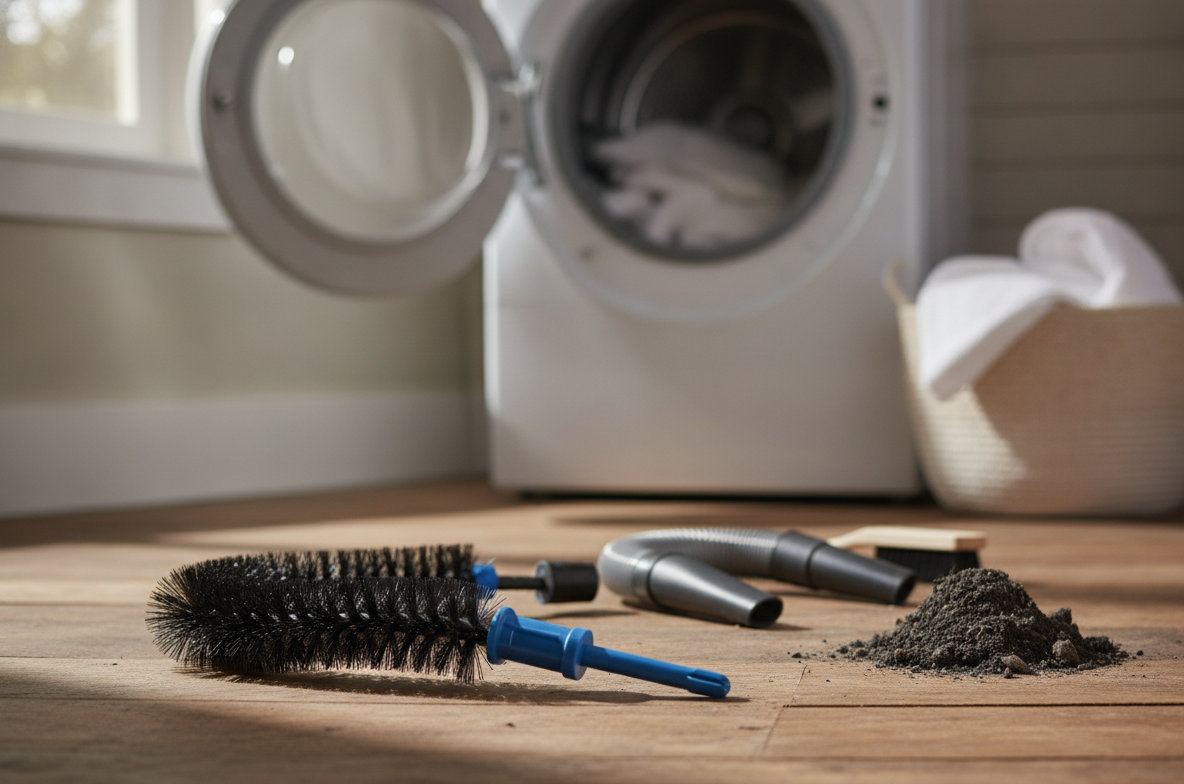
When replacing a thermal fuse, also inspect the dryer's venting system. A clogged vent is the most common reason a thermal fuse blows. Restricted airflow causes the dryer to overheat. Cleaning your dryer vent is a vital maintenance step for efficient and safe operation.
The Igniter: The Most Likely Suspect
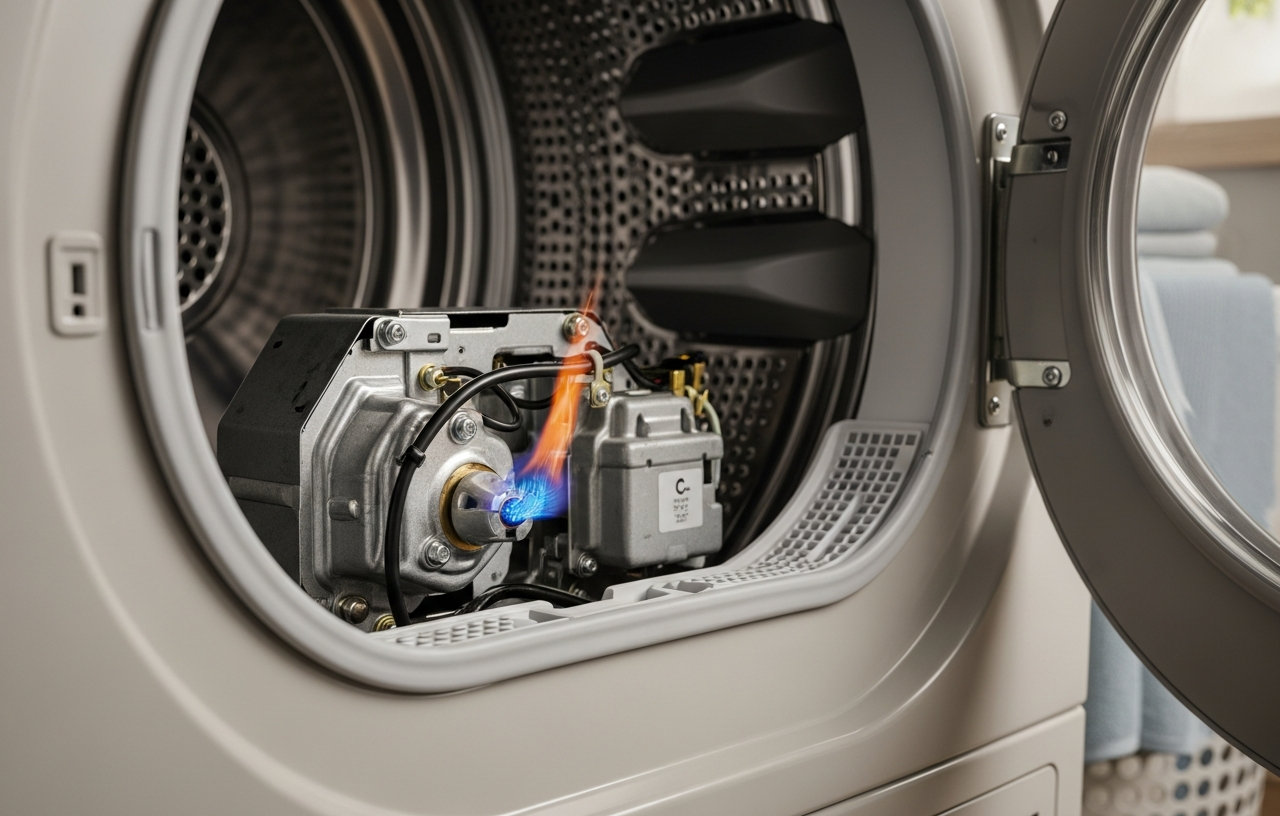
When a gas dryer has power but does not ignite, the igniter is frequently the problem. This small, fragile component glows red-hot to ignite the gas flowing into the burner assembly. If it glows but fails to ignite the gas, or if it does not glow at all, it is likely faulty. You can usually observe the igniter through the dryer's lower access panel or by removing the front panel.
To test the igniter, you will need a multimeter. With the dryer unplugged and gas shut off, disconnect the igniter's wires and test for continuity. A working igniter should show continuity. If it does not, it is open and needs replacement. Igniters are delicate, so handle them carefully to avoid damage.
The Flame Sensor: Detecting the Heat
Working in conjunction with the igniter is the flame sensor. This sensor detects if the igniter has successfully lit the gas. If the igniter glows but the gas does not ignite, or if the flame sensor fails to detect a flame, it will signal the gas valve to close, preventing gas flow. This means the igniter might glow briefly, then shut off without ignition.
You can test the flame sensor for continuity with a multimeter. Like the igniter, a healthy flame sensor will show continuity. No continuity indicates a faulty sensor that needs replacement. It is often located next to the igniter on the burner assembly.
Many homeowners find that replacing the flame sensor resolves their ignition issues. The 338906 Gas Dryer Flame Sensor [Upgraded] by BlueStars is a top pick, compatible with many Whirlpool, Kenmore, and Maytag dryers. Always verify your dryer's model number before ordering to ensure a correct fit. This sensor is designed to offer high sensitivity for accurate flame detection.
Gas Valve Solenoid Coils: Controlling Gas Flow
The gas valve solenoid coils are critical for opening the gas valve, allowing gas to flow to the burner when the igniter is hot enough. There are typically two or three coils. If one or more of these coils fail, the gas valve will not open, and no gas will reach the igniter, preventing ignition.
Testing gas valve coils involves using a multimeter to check their resistance. Each coil has a specific resistance range, which can usually be found in your dryer's service manual or by checking appliance parts diagrams online. If a coil's resistance reading is outside the specified range, or if it shows an open circuit (no continuity), it needs to be replaced. This kit includes the flame sensor, igniter, and gas valve coils, addressing multiple common failure points in the ignition system. It can be a cost effective way to replace several components at once, especially if you suspect multiple parts are failing or if your dryer is older.
Cycling Thermostat and High-Limit Thermostat
While less common for a complete ignition failure when the dryer otherwise has power, a faulty cycling thermostat or high-limit thermostat can sometimes interfere with the heating cycle. The cycling thermostat regulates the dryer's temperature, turning the heat on and off. The high-limit thermostat is another safety device that prevents overheating. If either fails, it might prevent the heating circuit from engaging properly.
These components can be tested for continuity with a multimeter. Both should show continuity at room temperature. If either shows an open circuit, it needs to be replaced. They are typically located near the heating element or blower housing.
Wiring Issues and Connections
Loose, corroded, or burnt wires can disrupt the flow of electricity to any of the components in the ignition system. Visually inspect all wiring connections, especially those leading to the igniter, flame sensor, gas valve coils, and thermostats. Look for any signs of scorching, fraying, or loose terminals. Re-seating connections or replacing damaged wires can resolve the issue. Always make sure the dryer is unplugged before inspecting wiring.
An electrical test kit is invaluable for safely checking continuity and voltage when troubleshooting appliance electrical issues.
The Main Control Board
The main control board is the brain of your dryer. It sends power to all components, including the ignition system. While it is less common for the control board to fail and only affect ignition while other functions work, it is a possibility. If you have systematically tested and ruled out all other components, a faulty control board might be the cause. Unfortunately, control boards are expensive and often not repairable, requiring replacement.
Diagnosing a faulty control board without specialized tools is difficult. If you reach this point, it is often wise to consult a professional appliance technician. A new control board alone can cost $150-$300, plus labor, which can add another $100-$250, making the total repair $250-$550. For older dryers, this cost might approach the price of a new appliance.
When to Call a Professional
Attempting DIY repairs can save money, but know your limits. If you are uncomfortable working with gas lines or electricity, or if you cannot pinpoint the exact cause after following these steps, contact a qualified appliance repair technician. Professionals have diagnostic tools and experience to quickly identify and fix complex issues. At that point, buying a new, more energy-efficient dryer might be a better long term investment. Consider the age and overall condition of your appliance before committing to a costly repair.
338906 Gas Dryer Flame Sensor [Upgraded] by BlueStars to Compatible with Whirlpool Kenmore Maytag Dryers - Replaces WP338906
- Please check the model number carefully before ordering. You can send us your dryer model number, we can.
- 338906 Dryer Flame Sensor.
- It is made exactly fit for most top name brands (Kenmore, Whirlpool, Maytag, Amana, KitchenAid, Roper.
- 3-3377, 14205529, 14210083, 14218928, 303377, WP338906, 35001096, 56231, 63-5013, AP6008294, DC32-00008A.
UPGRADED Gas Dryer Repair Kit WP338906 338906 Gas Dryer Flame Sensor 279311 Igniter 279834 Gas Valve Solenoid Coils by Blutoget-
- Pay Special Attention :338906 WP338906 gas dryer repair kit contains 279311 igniter 279834 gas valve coil.
- Upgraded Gas Dryer Repair Kit : 338906 Gas dryer repair kit contain 1 x WP338906 gas dryer Flame Sensor, 2.
- High-performance 338906 Dryer Repair Kit: WP338906 dryer flame sensor has a high-sensitivity sensor that.
- Widely Compatible: WP338906 gas dryer flame sensor 279834 Dryer Gas Valve Coil 279311 Gas dryer igniter.