A noisy dryer or a refrigerator that suddenly stops cooling can feel like a major problem. However, many common appliance malfunctions are fixable with basic tools and a bit of knowledge. Investing in a quality tool kit designed for home appliance repair empowers you to tackle issues yourself, potentially saving hundreds of dollars on service calls. Appliance repair technicians typically charge $80-$150 for a service call alone, plus labor and parts, making DIY repairs a smart financial move for many homeowners.
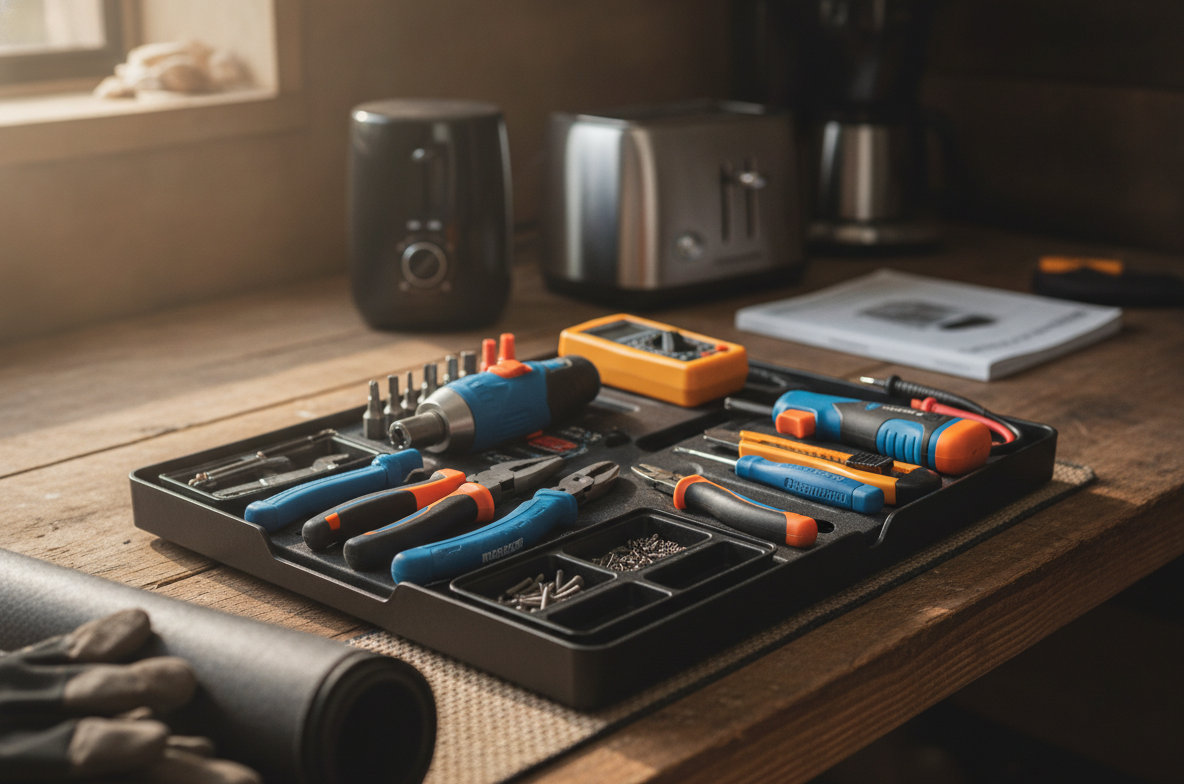
The Essential Home Appliance Kit This kit provides a balanced selection of electrical testing equipment and mechanical hand tools, making it versatile enough for most common appliance diagnostics and fixes.
Why a Dedicated Appliance Repair Tool Kit Matters
General household toolboxes often lack the specific items needed for appliance repair. You might have a hammer and a wrench, but appliance work frequently requires precision screwdrivers, specialized pliers, and, most importantly, electrical testing devices. These specialized tools help you safely troubleshoot electrical components, access tight spaces, and perform delicate repairs without damaging your appliance.
Beyond the tools themselves, a well-organized kit keeps everything together. This saves time when you are in the middle of a repair, eliminating the need to hunt for a specific bit or a pair of needle-nose pliers. For those new to DIY appliance fixes, having the right tools on hand reduces frustration and increases the likelihood of a successful repair.
Top Appliance Repair Tool Kits for Beginners
1. The Essential Home Appliance Kit (Top Pick)
This kit provides a solid foundation for any aspiring DIY appliance repair enthusiast. It combines essential electrical diagnostic tools with a practical selection of mechanical hand tools. The focus is on versatility, allowing users to address both electrical faults and mechanical issues across various home appliances.
What's Included:
- Digital multimeter with continuity and voltage testing capabilities
- Precision screwdriver set (Phillips, flathead, Torx bits)
- Standard screwdriver set (multiple sizes)
- Needle-nose pliers and slip-joint pliers
- Wire strippers and cutters
- Non-contact voltage tester
- Magnetic pickup tool
- Work gloves and safety glasses
- Durable carrying case
Pros:
- Excellent balance of electrical and mechanical tools for broad application.
- Includes a reliable multimeter, vital for diagnosing issues like a refrigerator not cooling or a stove not heating.
- Safety gear is included, promoting safe work habits from the start.
- The magnetic pickup tool is surprisingly useful for retrieving dropped screws in tight spaces.
Cons:
- May lack highly specialized tools for niche repairs, such as specific appliance brand service tools.
Best for:
This kit suits the homeowner who wants to be prepared for a wide range of common appliance problems without investing in overly specialized equipment. It is ideal for those who are just starting their DIY repair journey and need a reliable, all-around solution for troubleshooting dishwashers, washing machines, dryers, and refrigerators.
2. The Electrical Diagnostics & Safety Kit
For those who anticipate dealing more frequently with electrical issues, such as faulty heating elements or control board problems, this kit prioritizes advanced electrical testing and safety. It offers a more robust selection of electrical diagnostic tools compared to general-purpose kits.
What's Included:
- High-accuracy digital multimeter with capacitance and temperature functions
- Non-contact voltage detector with adjustable sensitivity
- Circuit breaker finder
- Insulated screwdriver set
- Wire crimpers and various electrical connectors
- Electrical tape and cable ties
- heavy duty work gloves and arc-flash rated safety glasses
- Compact, organized case for electrical components
Pros:
- Superior electrical diagnostic capabilities, making it excellent for identifying issues like a dryer taking too long to dry clothes due to a faulty heating element.
- Enhanced safety features, including insulated tools and higher-rated PPE.
- The circuit breaker finder is a convenient addition for safely cutting power to specific circuits.
Cons:
- Lacks many common mechanical hand tools, requiring separate purchases for tasks like disassembling panels.
Best for:
This kit is perfect for the beginner who wants to focus on electrical troubleshooting and diagnosis. It is particularly useful for tackling problems where electrical continuity, voltage, or current are suspect, such as when an appliance has power but is not functioning correctly. It also suits those who prioritize electrical safety above all else.
3. The Comprehensive DIYer's Kit
This kit aims to provide nearly everything a beginner might need, offering a broader array of tools that extend beyond core appliance repair into general home maintenance. It is a larger, more extensive collection designed for the ambitious DIYer who wants to be prepared for almost anything.
What's Included:
- Standard digital multimeter
- Full range of Phillips, flathead, Torx, and Hex screwdrivers
- Nut driver set
- Multiple types of pliers (needle-nose, tongue-and-groove, diagonal cutters)
- Adjustable wrenches and a small socket set
- Utility knife and measuring tape
- Flashlight or headlamp
- Magnetic parts tray
- Small pry bar set
- Basic soldering iron kit with solder and flux
- Large, wheeled tool case or multi-drawer chest
Pros:
- Extremely comprehensive, covering nearly all common mechanical and many electrical tasks.
- Includes specialty items like a soldering iron, useful for repairing circuit board connections.
- The magnetic parts tray is invaluable for keeping track of small screws and components.
- Offers tools that are useful for general home repairs beyond just appliances.
Cons:
- The sheer volume of tools can be overwhelming for a true beginner.
- It is a larger, heavier kit, making it less portable.
Best for:
This kit is ideal for the enthusiastic beginner who plans to undertake a wide variety of home projects, not just appliance repair. It suits those who appreciate having a tool for every possible scenario and do not mind a larger, more substantial investment in their home workshop. It also works well for individuals who have the space to store a more extensive tool collection.
4. The Minimalist Essential Kit
Designed for the absolute beginner or someone with limited storage space, this kit focuses on the bare essentials required for the most common and simplest appliance fixes. It emphasizes portability and functionality over breadth of tools.
What's Included:
- Basic digital multimeter (voltage and continuity)
- Multi-bit screwdriver with common Phillips, flathead, and Torx bits
- Small needle-nose pliers
- Non-contact voltage tester
- Compact zippered pouch
Pros:
- Extremely portable and compact, fitting easily into a drawer or small cabinet.
- Contains the absolute minimum necessary tools for basic diagnostics and simple repairs, such as tightening a loose connection or checking for power.
- Less intimidating for someone completely new to DIY.
Cons:
- Limited scope of tools means you may frequently need to acquire additional specific tools for more complex repairs.
- The basic multimeter may lack advanced features for detailed diagnostics.
Best for:
This kit is best for someone who wants to dip their toes into appliance repair without a significant initial investment or commitment. It is perfect for apartment dwellers, college students, or anyone with very limited storage. It handles quick fixes like a dishwasher door latch repair or testing a basic circuit, but more involved tasks will require expanding the toolkit.
Choosing Your First Appliance Repair Tool Kit
When selecting your first appliance repair tool kit, consider the types of repairs you anticipate doing most often. If electrical issues scare you, make sure your kit includes a good non-contact voltage tester and an easy to use multimeter. If you expect to disassemble many panels, a comprehensive screwdriver and nut driver set will be invaluable.
Key Tools to Look For:
- Multimeter: Essential for checking voltage, current, resistance, and continuity. This helps determine if a component is receiving power or if a circuit is open. For a deeper look into electrical testing, you can read our Electrical Test Kit Review.
- Screwdrivers: You will need Phillips, flathead, and often Torx bits for various appliance fasteners. Magnetic tips are a huge plus.
- Pliers: Slip-joint pliers are good for general gripping.
- Nut Drivers: Many appliances use hex-head screws or nuts that require specific drivers.
- Non-Contact Voltage Tester: A simple way to quickly detect live electrical current without touching wires, adding a layer of safety.
- Flashlight or Headlamp: Appliance interiors are often dark, even with room lights on.
- Safety Glasses and Gloves: Protect your eyes from debris and your hands from sharp edges or electrical hazards.
Safety First When Repairing Appliances
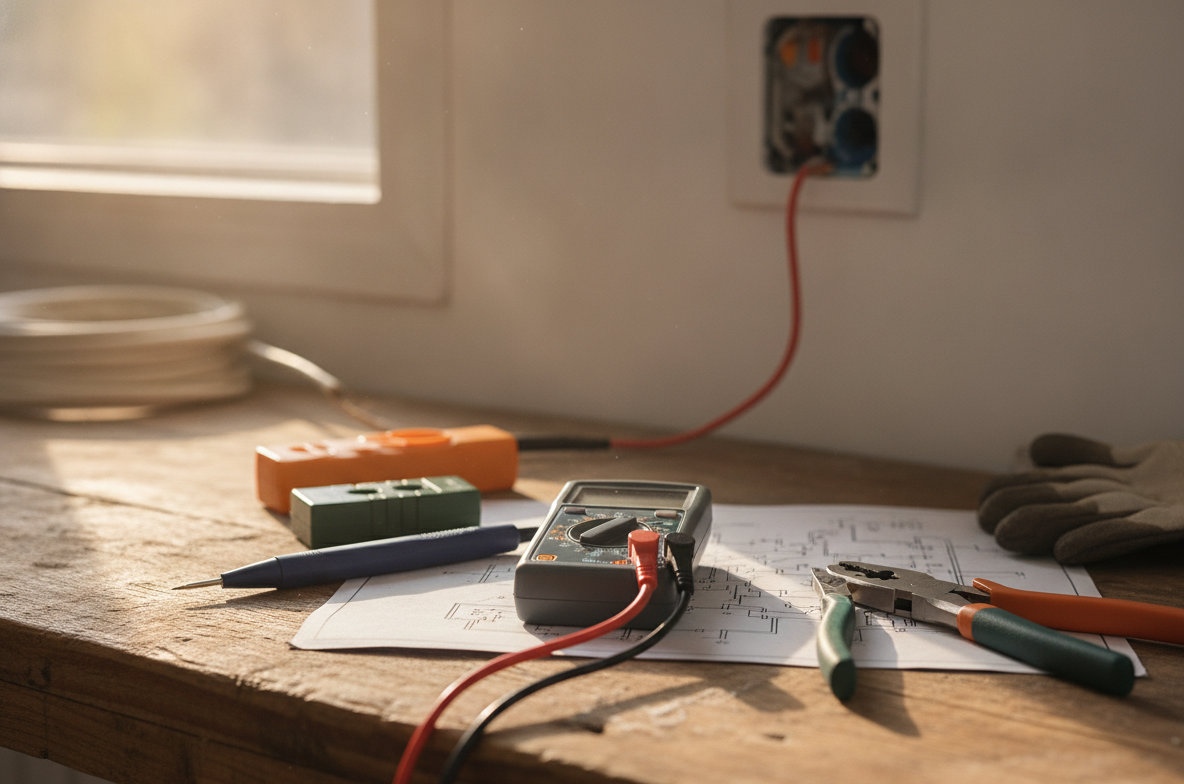
Before beginning any appliance repair, always disconnect the power. Unplug the appliance from the wall outlet or turn off the corresponding circuit breaker at your home's electrical panel. Use your non-contact voltage tester and multimeter to confirm that power is off before touching any internal components. Water and electricity are a dangerous combination, so exercise extreme caution when working on dishwashers, washing machines, or refrigerators.
Understanding your appliance's wiring diagram, often found in the owner's manual or online, can also greatly assist in troubleshooting. Never attempt a repair if you are unsure or uncomfortable. A qualified technician can always be called in if a repair seems beyond your skill level. The goal of DIY is to save money, but not at the expense of safety.
Final Thoughts
Equipping yourself with the right tool kit is the first step toward successful DIY appliance repair. The Essential Home Appliance Kit offers the best blend of functionality and value for beginners, providing the core tools needed for most common fixes. No matter which kit you choose, prioritize safety and take your time. With the right tools and a careful approach, you can keep your home appliances running smoothly for years to come.