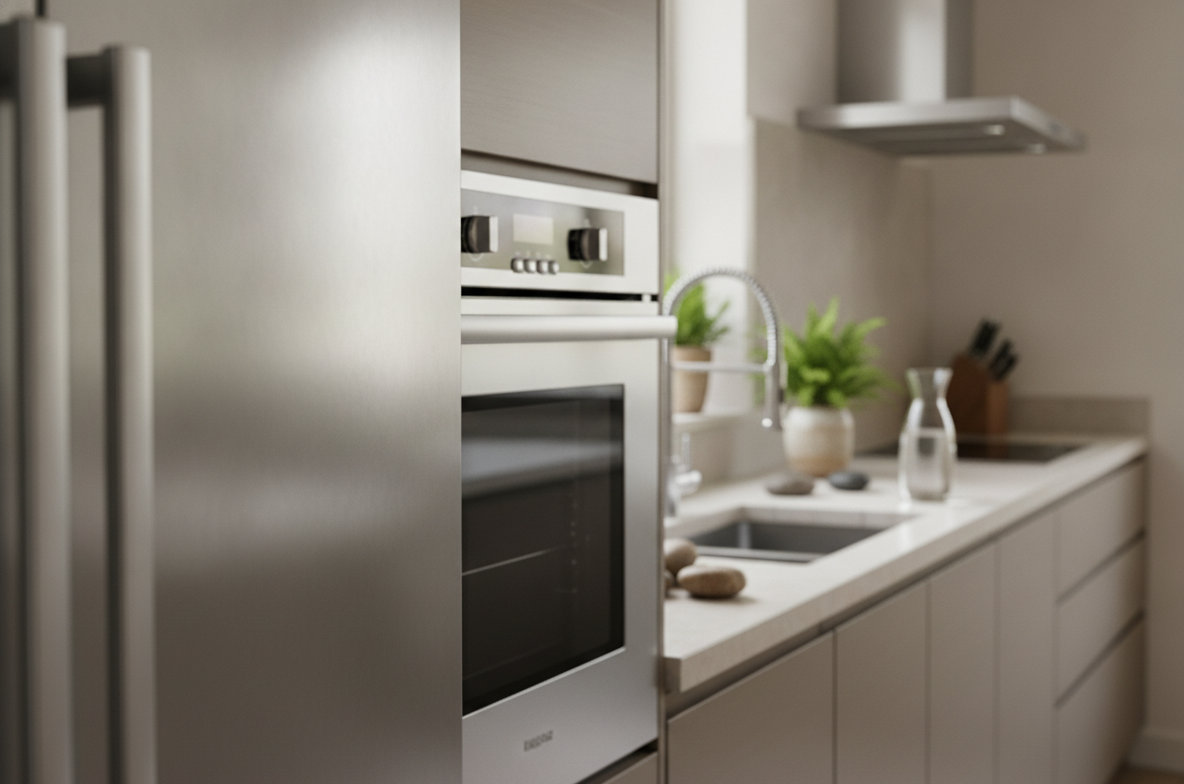
Fingerprints and smudges on stainless steel appliances are a common frustration for many homeowners. Smudge-proof stainless steel addresses this by incorporating a specialized coating or textured finish designed to resist oils and marks. This technology significantly reduces the visibility of smudges, offering a cleaner appearance with less frequent cleaning compared to traditional stainless steel.
Understanding Smudge-Proof Stainless Steel
Smudge-proof stainless steel is not a different metal alloy. It is standard stainless steel that has been treated with a surface application or a specific finishing process. The goal is to alter the surface properties, preventing the oils from human skin and other environmental contaminants from adhering visibly to the appliance.
The Technology Behind the Finish
Manufacturers achieve smudge resistance through two primary methods: applying a clear, protective coating or modifying the metal's texture. Many modern appliances combine both techniques for optimal performance.
- Protective Coatings: Many brands use an oleophobic (oil-repelling) or hydrophobic (water-repelling) clear coating. This ultra-thin layer creates a smoother, less porous surface. When oils from fingerprints contact this surface, they spread out less and are less likely to bond, making them significantly less noticeable.
- Textured Finishes: Some smudge-proof stainless steel relies on a specific brushed or etched texture. This micro-texture scatters light differently than a smooth, reflective surface. The scattered light helps to obscure minor imperfections, including light fingerprints and smudges, making them harder to see. This method does not prevent smudges but makes them less visible.
For example, some LG appliances use a 'PrintProof' finish, which is a specialized coating. Whirlpool's 'Fingerprint Resistant' finish often combines a textured surface with a clear coat. Samsung's 'Fingerprint Resistant Black Stainless' adds a dark pigment to the coating, further disguising marks.
Benefits of Smudge-Proof Stainless Steel Appliances
Choosing appliances with a smudge-proof finish offers several advantages for busy households. The primary benefit is reduced maintenance.
Improved Aesthetics and Cleanliness
The most immediate benefit is a consistently cleaner-looking appliance. Traditional stainless steel can show every touch, requiring daily wiping in high-traffic areas like refrigerator doors or oven handles. Smudge-proof finishes dramatically lessen this burden, maintaining a sleek, polished appearance with less effort. This is particularly valuable in kitchens with young children or frequent use.
Reduced Cleaning Frequency
Because fingerprints and smudges are less visible, you do not need to clean the appliance surfaces as often. This saves time and reduces the consumption of cleaning products. While not entirely 'smudge-proof', the resistance means that a quick wipe once or twice a week might be sufficient, rather than daily cleaning.
Enhanced Durability (with proper care)
The protective coatings can also offer a minor layer of defense against minor scratches and abrasions. This added resilience helps preserve the appliance's aesthetic appeal over time. However, this depends heavily on proper cleaning methods, as harsh chemicals or abrasive materials can damage the coating.
Cleaning and Maintenance for Smudge-Proof Surfaces
Proper cleaning is essential to maintain the integrity of the smudge-proof finish. Using the wrong products or techniques can damage the protective coating, negating its benefits and potentially leaving the surface more susceptible to marks.
Recommended Cleaning Supplies
For most smudge-proof stainless steel surfaces, simple cleaning solutions are the best. You do not need specialized stainless steel cleaners in most cases, and some can even harm the finish.
- Mild Dish Soap and Warm Water: Mix a few drops of mild dish soap with warm water in a spray bottle or bowl. This solution is gentle yet effective for dissolving oils and dirt.
- Microfiber Cloths: These cloths are soft, non-abrasive, and highly absorbent. They are ideal for wiping surfaces clean without leaving lint or streaks.
- Soft Terry Cloth Towels: If microfiber is unavailable, a soft terry cloth towel works well. Make sure it is clean and free of any debris that could scratch the surface.
step by step Cleaning Process
- Prepare the Surface: Wipe down the appliance with a dry microfiber cloth to remove any loose dust or crumbs.
- Apply Cleaning Solution: Dampen a clean microfiber cloth with your mild soap and water solution. Do not spray the solution directly onto the appliance, as excess moisture can seep into seams or electronic components.
- Wipe Gently: Wipe the surface in the direction of the grain of the stainless steel. Apply light, even pressure. This helps to lift smudges and avoid streaks.
- Rinse (Optional, if streaky): If streaks appear, dampen a separate clean microfiber cloth with plain water and wipe again to remove any soap residue.
- Dry Thoroughly: Immediately dry the surface with a clean, dry microfiber cloth. Air drying can lead to water spots, which are particularly visible on stainless steel.
For general appliance upkeep, remember that surface cleaning is only one part of the equation. Regularly inspecting and cleaning other components, such as refrigerator condenser coils, also maintains appliance efficiency. For example, cleaning the coils on your refrigerator can improve its cooling performance. Learn more about this process here: How to clean refrigerator condenser coils: Whirlpool, LG, Samsung, Haier and more.
What to Avoid
Certain cleaning products and tools can damage smudge-proof coatings:
- Abrasive Cleaners: Scouring powders, steel wool, or abrasive sponges can scratch the coating and the stainless steel beneath it.
- Harsh Chemicals: Ammonia-based cleaners, bleach, oven cleaners, and cleaners containing chlorine can degrade the protective coating over time. Always check the manufacturer's recommendations.
- Stainless Steel Polishes (unless specified): Many traditional stainless steel polishes contain oils or waxes that can build up on smudge-proof surfaces, attracting dust and creating a greasy film. Use only polishes specifically labeled as safe for fingerprint-resistant or smudge-proof finishes, if at all.
- Paper Towels: While convenient, paper towels can be surprisingly abrasive and leave lint. Microfiber cloths are a better choice.
Is Smudge-Proof Stainless Steel Worth the Investment?
Appliances with smudge-proof finishes typically carry a slightly higher price tag than their standard stainless steel counterparts. This difference can range from an additional $50 to $200 per appliance, depending on the brand and model. The added cost reflects the specialized manufacturing process and materials involved in creating the resistant surface.
For many homeowners, the benefits outweigh this incremental cost. The reduction in visible smudges and the decreased frequency of cleaning contribute to a more pleasant daily living experience. In homes with children, pets, or high foot traffic in the kitchen, the value of a consistently clean-looking appliance is significant. Consider your household's activity level and your personal tolerance for visible fingerprints when deciding if the investment is right for you.
Maintaining all your home appliances correctly can save you significant repair costs over time. A regular maintenance schedule, including surface care and functional checks, extends the lifespan of your units. You can find a detailed guide for general appliance care here: Home Appliance Maintenance Checklist That Saves You $1000s.
Addressing Scratches and Damage
While smudge-proof coatings offer some protection, they are not impervious to damage. Deep scratches can penetrate the coating, exposing the underlying stainless steel. Once the coating is compromised, that specific area will lose its smudge-resistant properties and may show marks more readily.
Repairing Damaged Finishes
Repairing a damaged smudge-proof finish is challenging. Unlike standard stainless steel, which can sometimes be buffed or refinished (though this is a complex DIY task), the specialized coating cannot typically be reapplied by a homeowner. Minor surface scratches might be less visible due to the finish's light-scattering properties, but deep gouges will remain.
If the damage is significant, a professional appliance technician might be able to replace a panel, such as a refrigerator door. This can be costly, often ranging from $200 to $600 for parts and labor, depending on the appliance and the panel size.
Myths and Facts About Smudge-Proof Stainless Steel
Myth: It's Completely Fingerprint-Proof
Fact: No stainless steel finish is truly 100% fingerprint-proof. The term 'smudge-proof' or 'fingerprint-resistant' indicates a significant reduction in visible marks, not an elimination. Oils and dirt will still adhere, but they are far less apparent and much easier to wipe away.
Myth: You Can Use Any Stainless Steel Cleaner
Fact: Many traditional stainless steel cleaners contain oils or harsh chemicals that can damage or leave a residue on smudge-proof coatings. Always refer to your appliance manufacturer's cleaning instructions. Mild soap and water are usually the safest and most effective options.
Myth: It's a Different Type of Stainless Steel
Fact: The base material is still standard stainless steel. The 'smudge-proof' characteristic comes from a surface treatment, whether it is a coating or a unique texturing process. The underlying metal retains its corrosion resistance and durability.
Myth: The Finish Lasts Forever
Fact: While durable, the protective coatings can degrade over time, especially with improper cleaning or exposure to harsh chemicals. Regular, gentle care extends the life of the smudge-resistant properties. Abrasion can also wear down the coating, reducing its effectiveness.
Final Thoughts on Smudge-Proof Stainless Steel
Smudge-proof stainless steel offers a practical solution to a common aesthetic problem in many kitchens. By understanding how these finishes work and how to care for them properly, homeowners can enjoy cleaner, more attractive appliances with less effort. While not entirely eliminating the need for cleaning, the reduction in visible marks makes these appliances a popular choice for modern homes.