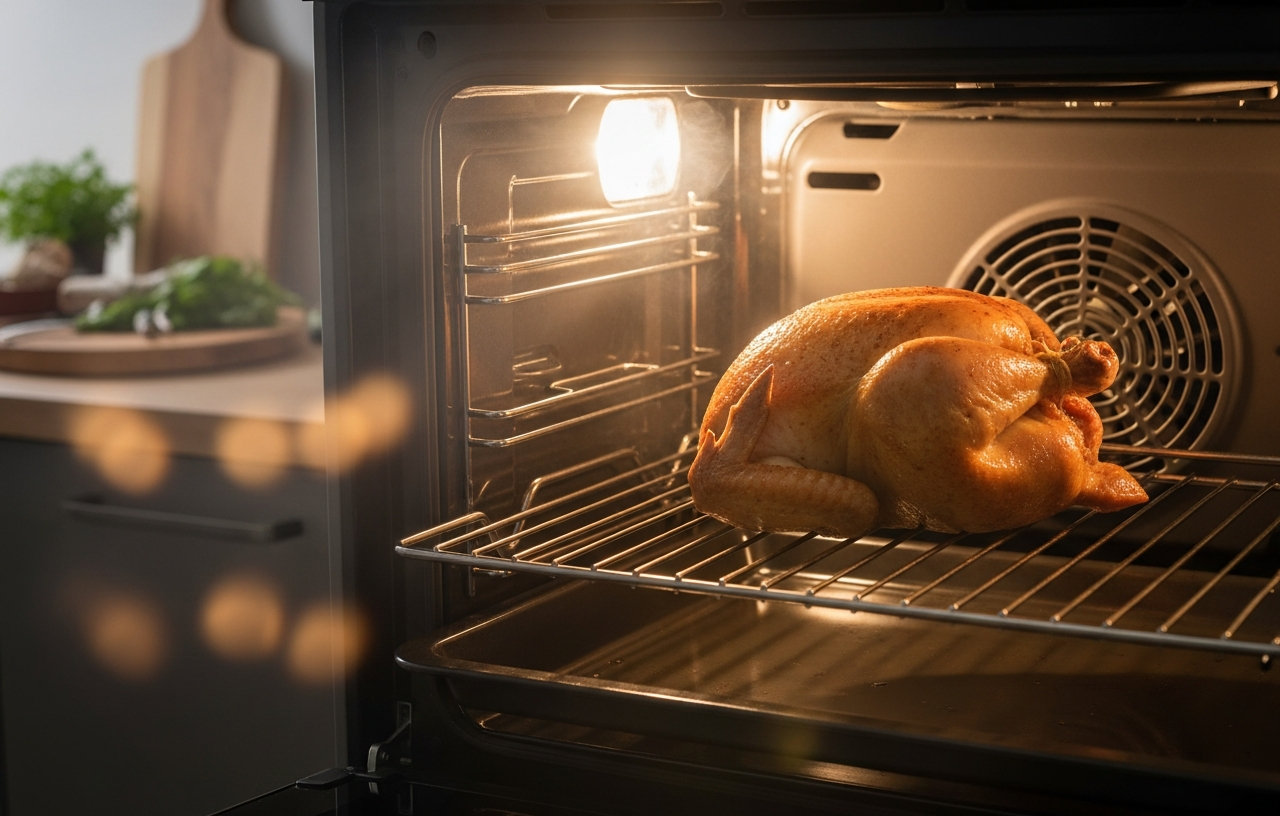
A convection oven uses a fan and exhaust system to circulate hot air evenly around the oven cavity, cooking food faster and more uniformly than a conventional oven. This forced air movement removes the insulating layer of cooler air that naturally surrounds food in a standard oven, allowing heat to transfer more efficiently to the food's surface. The result is typically a crisper exterior, a juicier interior, and reduced cooking times, often by 25% or more.
What is a Convection Oven and How Does it Work?
The defining feature of a convection oven is its internal fan. This fan, located at the back of the oven, actively moves heated air throughout the cooking chamber. In a conventional oven, heat primarily radiates from the heating elements and rises naturally. This creates hot and cool spots. A convection oven's fan eliminates these temperature fluctuations, creating a consistent thermal environment around the food.
The exhaust system works in conjunction with the fan. It vents out moisture and cooler air from the oven. This continuous circulation of dry, hot air means that food cooks more quickly. It also browns more effectively because the surface of the food is constantly exposed to fresh, hot air, which accelerates the Maillard reaction. This chemical process is responsible for the rich brown color and complex flavors in many cooked foods.
Convection vs. Conventional Oven: Understanding the Difference
Understanding what is a conventional oven and convection oven involves recognizing their fundamental heat transfer methods. A conventional oven relies on radiant heat from bottom and top heating elements. It also uses natural convection, where hot air rises and cooler air sinks. This method can lead to uneven cooking. You might find a cookie sheet where the cookies at the back are darker than those at the front, or a roast that is more done on one side.
In contrast, a convection oven, sometimes referred to simply as a "conv oven," uses forced air circulation. The fan actively distributes heat, ensuring every part of the oven cavity maintains a consistent temperature. This active air movement creates a more even cooking environment, eliminating the need to rotate pans during cooking. It also reduces overall cooking time significantly. For example, a dish that takes 60 minutes in a conventional oven might finish in 45 minutes or less in a convection oven.
Key Differences in Cooking Performance:
- Heat Distribution: Conventional ovens have hot and cool spots. Convection ovens provide uniform heat.
- Cooking Time: Convection ovens typically cook 25% faster than conventional ovens.
- Browning and Texture: Convection cooking promotes better browning and crispier textures due to constant hot air exposure and moisture removal.
- Temperature Adjustment: Many recipes designed for conventional ovens require temperature reduction (usually 25 degrees Fahrenheit) when cooked in a convection oven.
- Moisture: Conventional ovens retain more moisture, which can be beneficial for some delicate baked goods. Convection ovens tend to dry out foods if not adjusted properly.
Types of Convection Systems
Not all convection ovens are created equal. The effectiveness of what is convection in an oven often depends on the specific system installed. There are two primary types of convection technology:
Standard Convection (Fan Convection)
This is the most basic form of convection. A standard convection oven has a fan, typically located at the back, that circulates air heated by the oven's main heating elements. The fan simply moves the existing hot air around. This improves heat distribution and speeds up cooking compared to a conventional oven, but it still relies on the primary heating elements for generating the initial heat.
True Convection (European Convection or Third-Element Convection)
True convection systems go a step further. In addition to the fan, these ovens have a dedicated heating element positioned around the fan itself. This third heating element preheats the air before it is blown into the oven cavity. This design provides even more precise and consistent heat, as the air circulated is already at the target temperature. True convection ovens generally offer superior cooking performance, especially for multi-rack baking, because they can maintain a more uniform temperature across all levels.
Understanding Convection Bake and Convection Roast
Modern convection ovens often come with various cooking modes, each optimized for different types of food. Two common settings are "convection bake" and "convection roast."
What is Convection Bake?
Convection bake uses the circulating fan along with the oven's main heating elements (top and bottom, or the third element in true convection) to cook food evenly. This setting is ideal for items that benefit from uniform heat distribution and a gentle browning, such as cookies, cakes, casseroles, and pies. When using convection bake, you generally reduce the temperature by 25 degrees Fahrenheit and check for doneness sooner than a conventional recipe suggests. For example, if a recipe calls for 350°F in a conventional oven, you might set your convection bake to 325°F.
Convection Roast
The convection roast setting is designed for meats, poultry, and root vegetables. It typically uses the fan along with the oven's broiler element (top element) and sometimes the bottom element. The intense, circulating heat from the top element helps to create a crispy, browned exterior on roasts, while the even heat distribution ensures the interior cooks thoroughly and remains juicy. This setting is excellent for achieving a professional-quality crust on a chicken or a perfectly seared roast beef.
Benefits of Convection Cooking
The advantages of what is convection cooking are numerous, making these ovens a popular choice for many home cooks.
- Faster Cooking: Air circulation speeds up heat transfer, reducing overall cooking times. This saves energy and gets meals on the table quicker.
- Even Cooking: Hot and cool spots are minimized, leading to more consistent results across all food items, even when baking multiple trays of cookies.
- Better Browning and Crisping: The constant flow of hot, dry air creates superior browning on roasted meats, vegetables, and baked goods. It helps achieve crispy skin on poultry and a flaky crust on pastries.
- Multi-Rack Cooking: True convection ovens, in particular, excel at cooking multiple dishes simultaneously on different racks without flavor transfer or uneven results. This is a significant time-saver for large meals or batch baking.
- Energy Efficiency: Because food cooks faster and often at lower temperatures, convection ovens can be more energy-efficient than conventional models.
Adjusting Recipes for Convection Ovens
To get the best results from what is a convection oven, you often need to adjust conventional recipes. The general rule of thumb is to either reduce the cooking temperature or reduce the cooking time.
Many chefs recommend reducing the temperature by 25 degrees Fahrenheit (about 15 degrees Celsius) and keeping the same cooking time. Alternatively, you can keep the temperature the same and reduce the cooking time by 25%. For instance, a dish that bakes at 350°F for 60 minutes in a conventional oven might cook at 325°F for 60 minutes, or 350°F for 45 minutes, in a convection oven.
It is always wise to start checking your food for doneness about two-thirds of the way through the adjusted cooking time. This helps prevent overcooking, especially when you are first getting used to your convection oven.
Common Convection Oven Issues and Troubleshooting
While convection ovens offer many benefits, they can occasionally experience issues. Most problems relate to the fan or heating elements.
Convection Fan Not Working
If your convection oven is not cooking as efficiently as it once did, or if you do not hear the fan operating during a convection cycle, the fan motor might be faulty. A malfunctioning fan means the oven is essentially operating as a conventional oven, losing all the benefits of circulating air. You might notice longer cooking times or uneven browning. An oven not heating properly
To diagnose this, set the oven to a convection mode and listen for the fan's hum. If silent, the fan motor or its electrical connections may need inspection. This repair is manageable for a DIYer with an electrical test kit and some patience.
Unusual Noises
A convection fan should run smoothly. If you hear grinding, squealing, or scraping noises, it could indicate a problem with the fan motor's bearings or an obstruction hitting the fan blades. Turn off the oven, allow it to cool completely, and visually inspect the fan area for any foreign objects. If no obstruction is visible, the fan motor assembly itself might be failing. Ignoring these noises can lead to complete fan failure.
Temperature Inconsistencies
Even with a working fan, if you experience significant temperature inconsistencies, it could be an issue with the oven's thermostat or temperature sensor. While the fan helps distribute heat, accurate temperature readings are still essential for proper cooking. This is less common for convection-specific issues but can affect overall oven performance.
Maintenance Tips for Your Convection Oven
Regular maintenance can extend the life of your convection oven and keep it performing optimally. Dust and grease buildup around the fan can hinder its operation and efficiency.
- Clean the Oven Regularly: Spills and splatters can accumulate, especially around the fan opening. Use oven cleaner or a baking soda paste to keep the interior clean.
- Inspect the Fan Area: Periodically check the fan for any debris or grease buildup. Make sure the fan blades are clear and can spin freely.
- Calibrate Temperature (if needed): If you suspect your oven's temperature is off, you can test it with an oven thermometer and adjust the calibration settings if your model allows.
A proactive home appliance maintenance checklist includes checking your oven's fan and seals, ensuring efficient operation for years to come.
Conclusion
What is a convection oven essentially comes down to its fan-driven air circulation system. This design offers significant advantages in cooking speed, evenness, and food texture compared to traditional ovens. By understanding how convection cooking works and making simple adjustments to your recipes, you can harness the full potential of this efficient appliance. Knowing the common issues and performing basic maintenance can also save you from unexpected repair costs.


