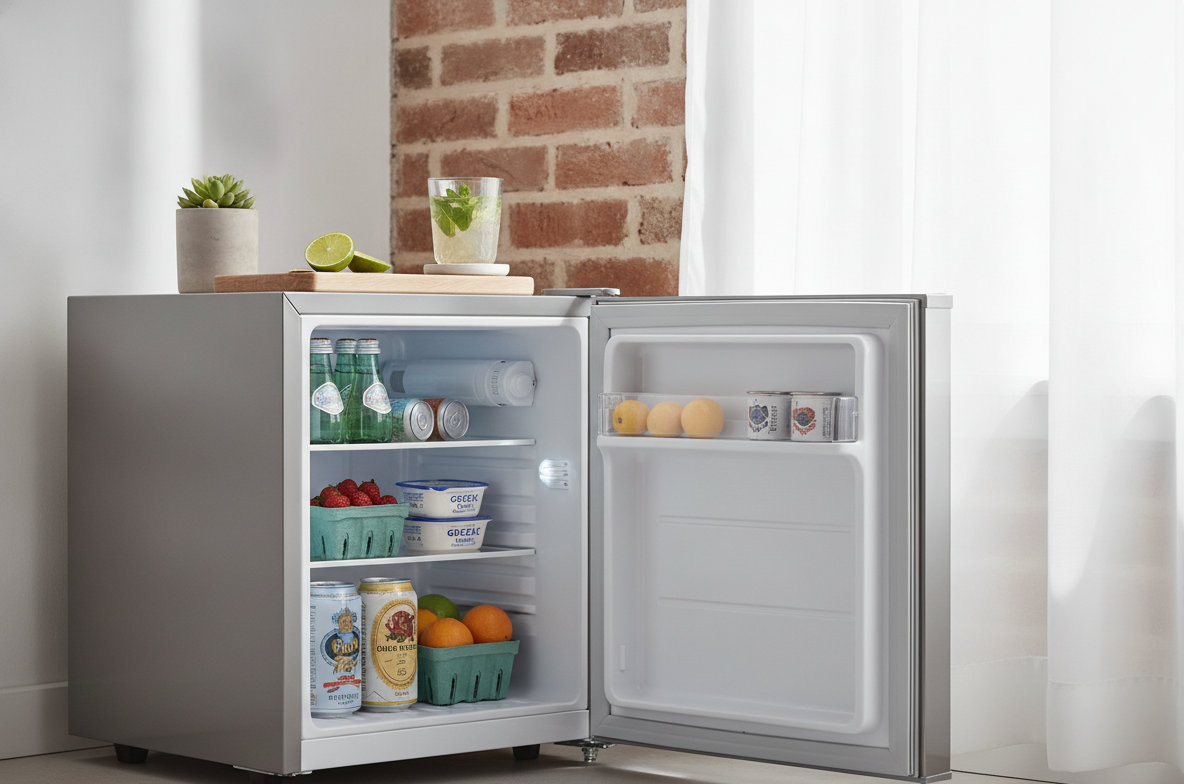
Excess moisture inside your refrigerator is a problem, but a dedicated refrigerator dehumidifier is rarely the solution. Refrigerators are designed with internal systems to manage humidity levels, preventing excessive condensation and frost. If you notice unusual moisture, standing water, or rapid ice accumulation, it typically points to an underlying mechanical issue or a maintenance oversight rather than a need for an external appliance.
Understanding how your refrigerator handles humidity, and how to troubleshoot common problems, saves money and extends the life of your appliance. A service call for a refrigerator issue can cost $80-$150, plus parts and labor which might add $100-$300 or more, depending on the repair.
How Your Refrigerator Manages Humidity Internally
Modern refrigerators have an integrated system for humidity control. The evaporator coil, located in the freezer compartment or behind a panel in the fresh food section, removes moisture from the air as part of the cooling process. As air circulates over the cold coil, water vapor condenses and freezes onto the coil. During the defrost cycle, which typically occurs several times a day, the defrost heater melts this ice.
The melted water then flows down a defrost drain tube into a drain pan located beneath the refrigerator. From there, it evaporates into the ambient air, assisted by the compressor's heat. This continuous cycle prevents excessive frost buildup and helps maintain appropriate humidity levels for food preservation.
Do You Need a Separate Refrigerator Dehumidifier?
In almost all cases, no, you do not need a separate refrigerator dehumidifier. The refrigerator's design is sufficient for handling normal humidity. Adding an external dehumidifier, especially one designed for a room, would be inefficient, potentially harmful to the appliance, and unnecessary.
Small desiccant packs, like those containing silica gel or activated charcoal, are sometimes marketed as "fridge dehumidifiers" or "fridge deodorizers." These absorb some moisture and odors, but they are not a substitute for a properly functioning refrigeration system. They are a temporary measure at best and require frequent replacement or regeneration. They do not address the root cause of high humidity.
Why Room Dehumidifiers (e.g., MAD20S1QWT) Are Not for Refrigerators
A typical room dehumidifier, such as a MAD20S1QWT, operates on a refrigeration cycle, much like an air conditioner. It draws air over a cold coil to condense moisture, then reheats the air before returning it to the room. These appliances are large, consume significant power, and use refrigerants like R410A (which replaced older refrigerants sometimes referred to as 'freon in dehumidifier' units, like R22). Placing such a device inside a refrigerator would be impractical, disrupt the refrigerator's cooling, and waste energy. The system inside a room dehumidifier using "dehumidifier freon" or "dehumidifier r410a" is completely different in scale and purpose from the sealed system of a refrigerator.
Symptoms of Excessive Refrigerator Humidity
Recognizing the signs of too much moisture helps you identify and fix the underlying issue. Look for these common indicators:
- Visible Condensation: Water droplets on the interior walls, shelves, or food packaging.
- Excessive Frost or Ice Buildup: Beyond normal light frost, especially in the fresh food compartment, indicates a problem. This is also common in the freezer, leading to a need for a freezer dehumidifier type of symptom.
- Mold or Mildew Growth: Dark spots on gaskets, interior surfaces, or food items.
- Slimy or Quickly Spoiling Food: High humidity accelerates spoilage of produce and other items.
- Unpleasant Odors: Stagnant moisture encourages bacterial growth, leading to musty smells.
- Standing Water: Puddles inside the refrigerator or beneath the crisper drawers.
Common Causes and DIY Fixes for High Refrigerator Humidity
Most humidity problems stem from a few identifiable causes that you can often fix yourself. Here are the most common culprits and solutions:
1. Faulty Door Seals (Gaskets)
Worn or damaged door gaskets are a leading cause of humidity problems. They allow warm, moist air from your kitchen to enter the refrigerator, which then condenses when it hits the cold interior surfaces.
How to Check Door Seals:
- The Dollar Bill Test: Close the refrigerator door on a dollar bill. If you can easily pull the bill out, the seal in that spot is weak. Repeat this around the entire door, including the freezer door.
- Visual Inspection: Look for cracks, tears, stiffness, or gaps in the gasket material.
The Fix:
If the seals are dirty, clean them thoroughly with warm, soapy water. Sometimes, debris prevents a tight seal. If they are torn or stiff, they need replacement. Replacement gaskets typically cost $30-$150, depending on the refrigerator model. Professional installation can add an $80-$150 service call fee plus $50-$100 in labor.
2. Clogged Defrost Drain Tube
If the defrost drain tube gets clogged with food particles or ice, the melted water from the defrost cycle cannot escape. It will pool inside the refrigerator, often under the crisper drawers, or freeze up in the freezer compartment.
How to Check and Clear:
- Locate the Drain: The drain opening is usually at the back wall of the freezer or refrigerator compartment, sometimes behind a panel. It might be a small hole or a channel.
- Clear the Clog: Use a turkey baster to flush hot water down the drain. A pipe cleaner or a thin, flexible wire can dislodge stubborn blockages. For severe clogs, you might need to access the drain tube from the back of the refrigerator, near the drain pan.
For more general maintenance tips, refer to an article on home appliance maintenance.
3. Storing Warm or Uncovered Food
Placing warm food directly into the refrigerator releases significant moisture as it cools. Similarly, uncovered foods, especially those with high water content, continuously release moisture into the fridge air.
The Fix:
- Allow hot foods to cool to room temperature before refrigerating them.
- Always cover food items, especially liquids and produce, with airtight lids or plastic wrap. This also helps contain odors.
4. Frequent Door Opening or Prolonged Openings
Every time the refrigerator door opens, warm, humid air from your kitchen enters the appliance. The longer the door stays open, the more moisture gets in.
The Fix:
- Minimize how often you open the refrigerator door.
- Plan what you need before opening the door to reduce the time it stays open.
- Make sure the door closes completely each time.
5. Overpacking the Refrigerator
An overstuffed refrigerator restricts airflow, preventing the cooling system from circulating air efficiently. This can create pockets of higher humidity and warmer temperatures.
The Fix:
Do not pack the refrigerator so tightly that air cannot move freely around items. Maintain some space between items and shelves to allow for proper air circulation.
6. Issues with the Defrost System (Advanced Troubleshooting)
If the defrost drain is clear and door seals are good, but you still have excessive ice or condensation, the defrost system components might be failing. This is less common but requires more advanced troubleshooting.
- Defrost Heater: If the heater fails, ice on the evaporator coil will not melt, leading to ice buildup.
- Defrost Thermostat: This component monitors the evaporator coil temperature and activates the heater. A faulty thermostat might prevent the heater from turning on.
- Defrost Timer/Control Board: This controls the defrost cycle's frequency and duration. A malfunctioning timer or control board can disrupt the cycle.
Diagnosing these components often requires an electrical test kit, such as a multimeter, to check for continuity and proper readings. If you suspect a defrost system component failure, it might be time to call a professional. A technician charges an $80-$150 service call and repairs can range from $150-$400, depending on the specific part and labor involved. For general cooling problems, you might find Refrigerator Not Cooling But Light Is On? DIY Troubleshooting Guide helpful.
Addressing Freezer Dehumidifier Needs (Frost and Ice)
Excess humidity in the freezer manifests as heavy frost buildup on walls, packages, and the evaporator coils. This impacts efficiency and reduces storage space. The causes are largely the same as for the refrigerator compartment:
- Faulty Freezer Door Seal: Allowing warm, moist air in.
- Frequent Freezer Door Opening: Introducing humid air.
- Storing Uncovered Items: Releasing moisture into the freezer.
- Clogged Defrost Drain: Preventing melted frost from exiting.
- Defrost System Malfunction: The system designed to melt frost is failing.
The solutions mirror those for the refrigerator: inspect and replace door seals, clear the defrost drain, properly cover food, and minimize door openings. If these steps do not resolve the issue, a professional diagnosis of the defrost system is recommended.
Maintaining Optimal Refrigerator Humidity
Preventing excess humidity is simpler than fixing it.
- Clean Condenser Coils: Dirty coils reduce efficiency, making the compressor work harder and potentially impacting temperature and humidity control. Learn how to clean refrigerator condenser coils for various brands.
- Check Door Seals Periodically: Make it a habit to inspect seals every few months.
- Keep Food Covered: A simple step that makes a big difference.
- Allow Hot Food to Cool: Prevent unnecessary moisture from entering.
- Do Not Overpack: Ensure proper air circulation.
Conclusion
A dedicated refrigerator dehumidifier is generally unnecessary for home use. Your refrigerator already has a sophisticated system for managing internal humidity. When excess moisture becomes an issue, it almost always points to a problem with door seals, a clogged defrost drain, or improper usage habits. By systematically troubleshooting these common issues, you can restore your refrigerator to optimal conditions, preserve your food better, and avoid the expense of a service call.