A weak stream of water from your refrigerator dispenser or an ice maker that suddenly stops producing ice often points to a single culprit: a clogged water filter. Before you call a repair technician, bypassing the water filter can quickly diagnose the issue and restore normal operation.
Why You Might Bypass Your Refrigerator Water Filter
There are several practical reasons to bypass your refrigerator's water filter, ranging from troubleshooting to convenience.
- Diagnose Slow Water Flow or No Ice: This is the most common reason. If water flow is slow or the ice maker is not working, removing the filter and inserting a bypass plug can determine if the filter itself is restricted. If water flow improves after bypassing, you know a new filter is needed.
- No Replacement Filter Available: Sometimes, finding the exact replacement filter, such as a frigidaire water filter eptwfu01 or a frigidaire water filter fppwfu01, can be difficult or delayed. A bypass plug allows you to continue using your refrigerator's water and ice dispenser without interruption.
- Using External Filtration: If your home already has a whole-house water filtration system, or you use a countertop filter for drinking water, the refrigerator's internal filter may be redundant. Bypassing it saves money on replacement filters.
- Temporary Measure: Perhaps you are waiting for a new filter to arrive, or you only need filtered water for specific uses. A bypass plug serves as a temporary solution.
Tools and Materials Needed
Bypassing your refrigerator water filter usually requires minimal tools. The most important item is the correct bypass plug for your specific refrigerator model.
- Refrigerator Water Filter Bypass Plug: This is essential. Each refrigerator brand and filter type has a specific bypass plug. For example, you might need a ge refrigerator water filter bypass plug or a ge fridge water filter bypass plug. These often come with the refrigerator at purchase. If you don't have one, you can usually order a ge filter bypass plug or other brand-specific plugs online.
- Towels: For catching any drips or spills.
- Small Bucket or Bowl: To collect residual water when removing the old filter.
- Screwdriver (optional): Some refrigerators, particularly older models, might require removing a small panel to access the filter housing.
Safety First: Important Precautions
Working with water and electricity requires a few simple safety steps to prevent damage or injury.
- Disconnect Power: Always unplug your refrigerator from the wall outlet before starting any work. This prevents electrical shock and accidental activation of the ice maker or water dispenser.
- Shut Off Water Supply: Locate the water shut-off valve for your refrigerator. This is typically behind the unit or under the sink if it's connected to a kitchen faucet supply line. Turn the valve clockwise to stop the water flow. This prevents flooding when you remove the filter.
step by step Guide to Bypassing Your Refrigerator Water Filter
The exact steps vary slightly by refrigerator model and filter location. Most filters are either inside the refrigerator compartment, in the grille at the bottom, or sometimes an external inline filter behind the unit.
1. Locate the Water Filter
Refrigerator water filters are commonly found in three main locations:
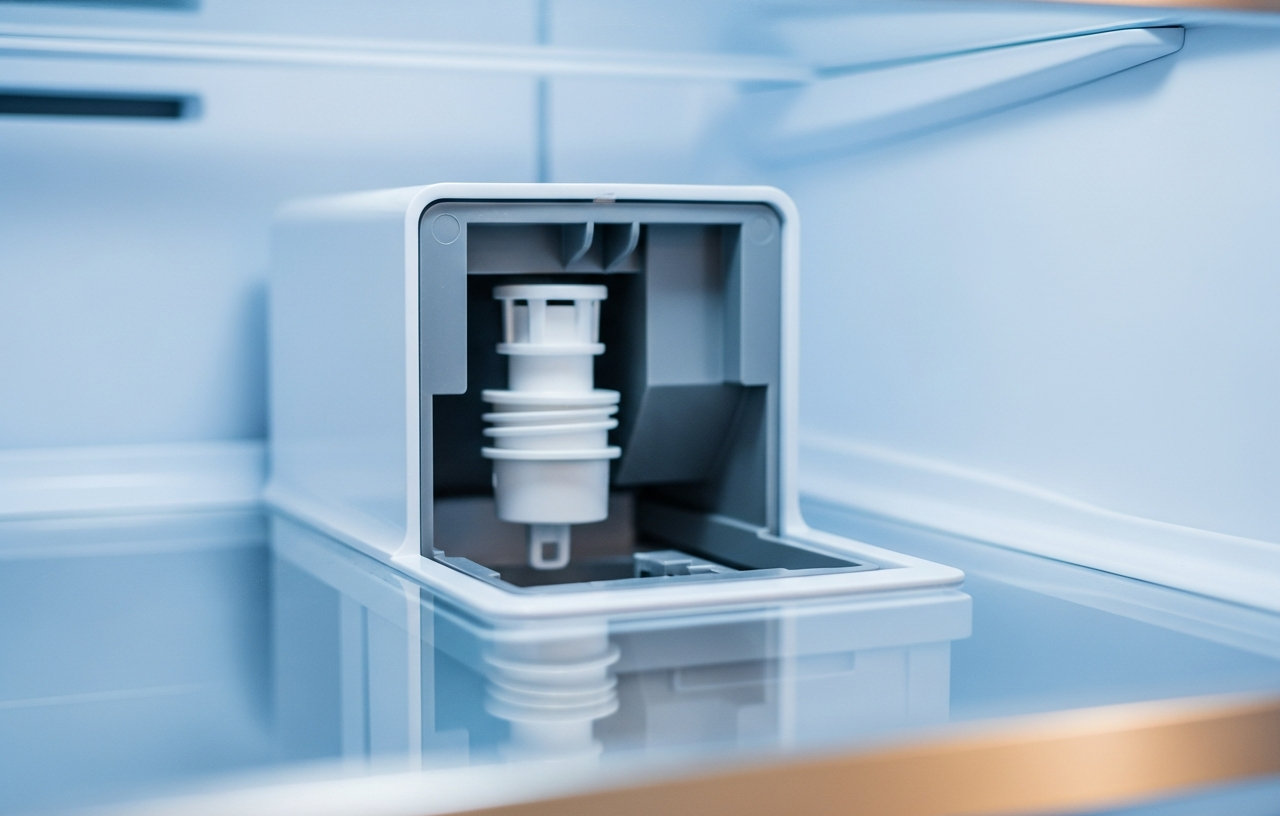
- Inside the Fresh Food Compartment: Often in the upper right corner, a small compartment, or hanging from the ceiling of the fridge.
- In the Base Grille: At the very bottom front of the refrigerator, behind a removable grille or cover.
- Behind the Refrigerator (Inline Filter): Less common, but some older models or external filtration systems use an inline filter on the water supply line.
2. Prepare for Water Spills
Even after shutting off the water supply, some residual water remains in the lines and the filter itself. Place towels on the floor or shelf below the filter housing. Keep a small bucket or bowl nearby to catch any drips when you remove the filter.
3. Remove the Old Water Filter
The removal method depends on your filter type:
- Twist-Out Filters (Common for GE, Frigidaire, LG, Samsung): Most internal and grille-mounted filters remove with a quarter or half-turn counter-clockwise. You might need to press a release button first. Pull the filter straight out once it's unlocked.
- Push-In/Pull-Out Filters: Some models require you to push a tab, then pull the filter straight out.
- Inline Filters: For external filters, you will typically need to disconnect the water lines from each end. These usually have quick-connect fittings or compression fittings that require a wrench to loosen.
4. Insert the Bypass Plug
This is where your specific bypass plug comes in. A ge water filter bypass plug, for instance, is designed to fit precisely where a GE filter would go.
- For Twist-Out or Push-In Housings: Insert the bypass plug into the filter housing. For twist-out types, push it in and turn it clockwise until it locks securely. For push-in types, simply push it firmly until it clicks into place. Make sure it is fully seated and cannot be easily pulled out.
- For Inline Filters: If you are bypassing an external inline filter, you will need a connector piece that joins the two water lines that previously connected to the filter. This maintains a continuous water path.
5. Restore Water and Power
Once the bypass plug is securely in place, reverse the initial safety steps:
- Turn On Water Supply: Slowly open the water shut-off valve, turning it counter-clockwise. Listen for any immediate leaks around the bypass plug. Check for drips for a minute or two.
- Reconnect Power: Plug your refrigerator back into the wall outlet.
6. Flush the Water System
Even with a bypass plug, air can get trapped in the water lines, and some residual carbon dust from the filter (if it was new) might remain. Dispense about 2-3 gallons of water through the refrigerator's dispenser. This purges air and any loose particles. You might hear sputtering noises at first, which is normal. Also, discard the first few batches of ice after bypassing the filter.
Specifics for Popular Refrigerator Brands
While the general process is similar, knowing the typical filter location for common brands can help.
GE Refrigerators
Many GE models feature a ge water filter bypass plug that looks like a solid version of their twist-in filters. These are often located in the upper right corner of the fresh food compartment or in the bottom grille. To remove a GE filter, twist it counter-clockwise about a quarter turn and pull it out. Then insert the ge filter bypass plug and twist it clockwise until it locks.
Frigidaire Refrigerators
Frigidaire often uses push-to-release or twist-and-pull filters. For models using a frigidaire water filter eptwfu01 or a frigidaire water filter fppwfu01, the filter is typically located in the top right of the fresh food section or the bottom grille. Follow the instructions for your specific filter type, then insert the corresponding Frigidaire bypass plug firmly until it clicks.
When Not to Bypass Your Water Filter
While bypassing a filter is convenient, it is not always the best choice.
- If You Rely on Filtered Water: If your household depends on the refrigerator filter for safe, clean drinking water or ice, do not bypass it permanently. Unfiltered tap water can contain sediments, chlorine, or other impurities.
- Health Concerns: If your local water quality is poor, or if anyone in your household has a compromised immune system, using unfiltered water can pose health risks.
- Lack of Bypass Plug: Do not attempt to run your refrigerator without either a filter or a bypass plug. This can lead to leaks and water damage, as the filter housing needs to be sealed.
Troubleshooting After Bypassing
If you still experience issues after bypassing the filter, check these points:
- Leaks: If water leaks from the filter housing, the bypass plug might not be fully seated. Disconnect power and water, then re-insert the plug firmly.
- No Water or Ice: If water flow does not improve, the issue is likely not the filter. It could be a frozen water line, a faulty water inlet valve, or a problem with the dispenser mechanism. For general refrigerator issues, troubleshooting a refrigerator not cooling but the light is on might offer some insight into related system checks.
When to Call a Professional
If bypassing the filter does not resolve your water flow or ice production problems, or if you encounter persistent leaks, it might be time to call an appliance repair technician. Technicians can diagnose more complex issues, such as a clogged water inlet valve or a malfunctioning dispenser.
Conclusion
Bypassing your refrigerator water filter is a quick and effective way to diagnose and temporarily fix problems with water dispensing and ice production. It saves money on unnecessary filter replacements and provides a fast solution when a new filter is not immediately available. Always use the correct bypass plug for your model to ensure a leak-free seal and restore full functionality to your water and ice dispenser.